What does the coffee in your cup actually cost?
Use the bag price, net weight and your own dose to calculate bean cost, then keep waste and other expenses visible.
Updated:
Define the serving before comparing prices
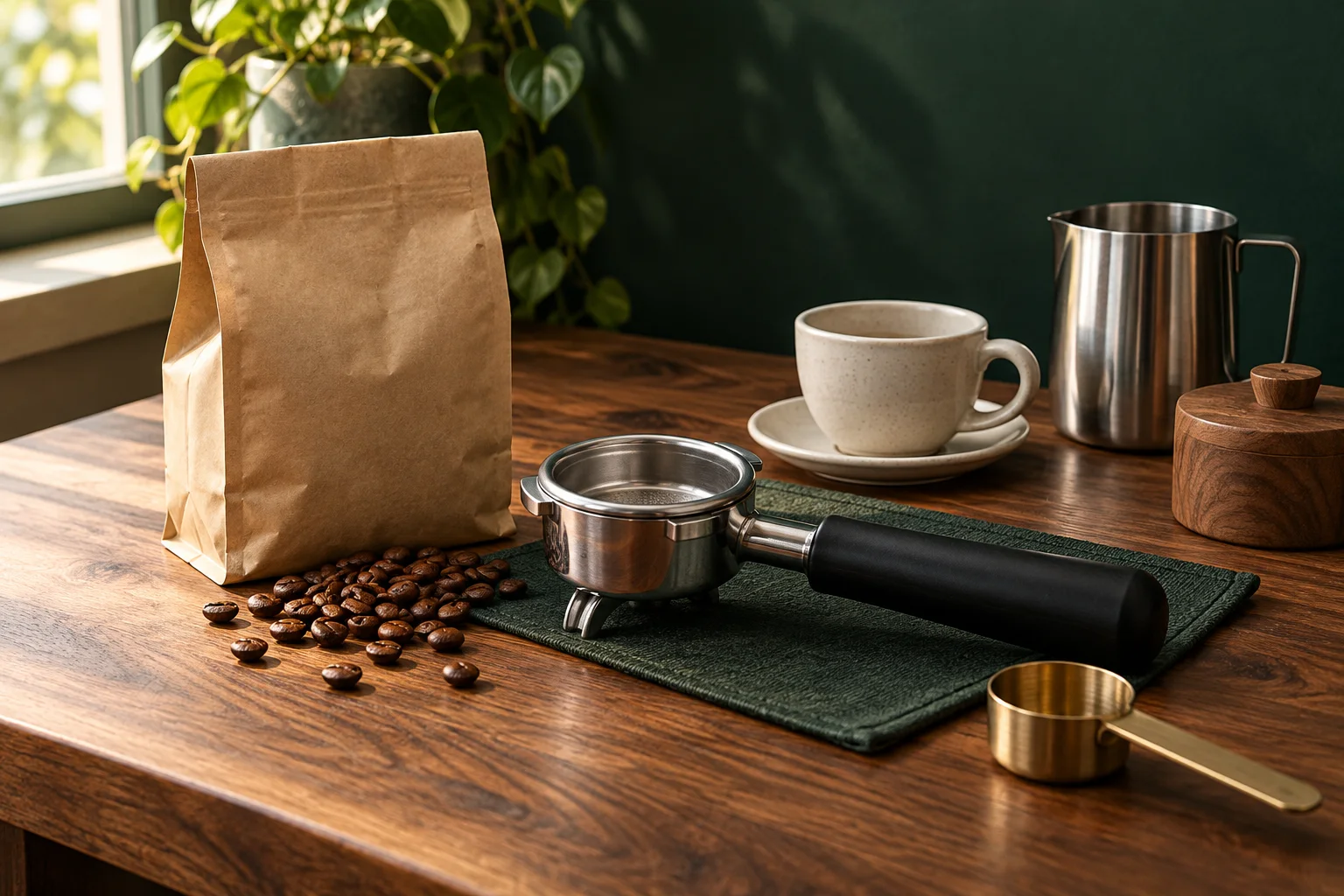
Start with the amount of ground coffee you use for one preparation, rather than the size of the cup. Two cups filled from one preparation do not represent two separate doses of beans. Conversely, a drink prepared with two separate doses consumes both. Write down what you mean by a serving before comparing bags or machines. This avoids a surprisingly large difference in the denominator of your calculation.
Your equipment also matters. The Sage BES875/SES875 manual distinguishes single-wall baskets for freshly ground beans from dual-wall baskets for pre-ground coffee. That is a model-specific example, not a universal basket rule. Use the basket and dose appropriate to your own equipment; the 18 g used below is simply an arithmetic assumption.
Sage BES875 / SES875 UK instruction manual ?
Calculate a bean-only price
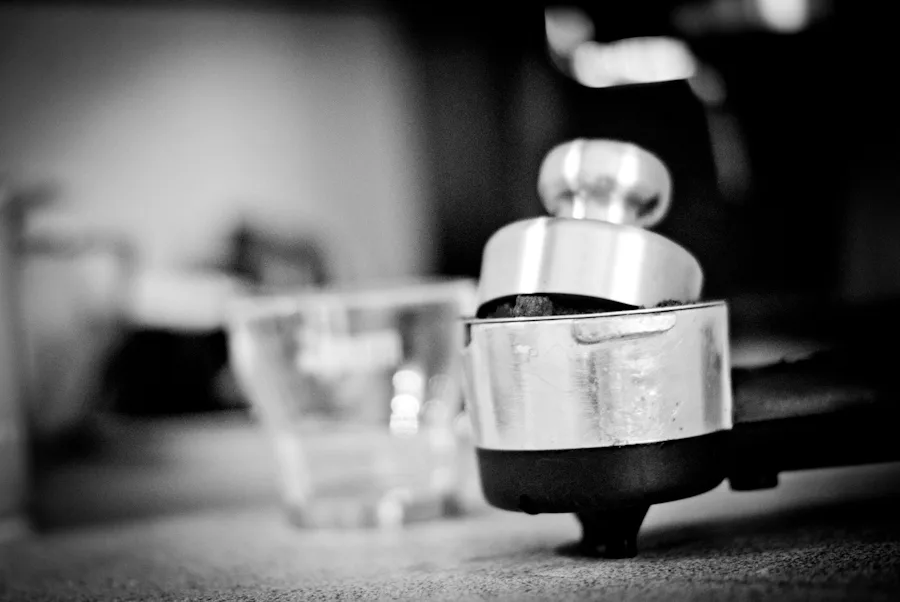
Imagine an entirely hypothetical bag costing £8 for 250 g. Dividing the price by the net weight gives £0.032 per gram. Multiplying that by an assumed 18 g preparation gives £0.576, normally displayed as approximately £0.58 per preparation. These are illustrative inputs, not a surveyed retail price or a recommended espresso recipe. Retain the unrounded value when calculating a longer period.
Under the same assumptions, 30 preparations use 540 g and cost £17.28 in beans. You cannot buy exactly that fraction of every bag, so cash spent on whole bags may differ from the value of beans consumed during that period. Keep the two quantities separate in your household notes.
Account for beans that do not reach the drink
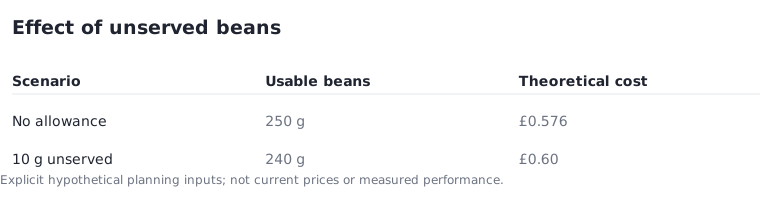
Grinding adjustments, spilled beans and preparations you discard can make purchase cost greater than the neat calculation suggests. Measure your own pattern rather than adopting a supposed industry allowance. For a planning comparison only, imagine that 10 g of the 250 g bag is not used in served drinks. That leaves 240 g, or 13.33 theoretical 18 g preparations. The same £8 purchase then represents £0.60 per theoretical preparation.
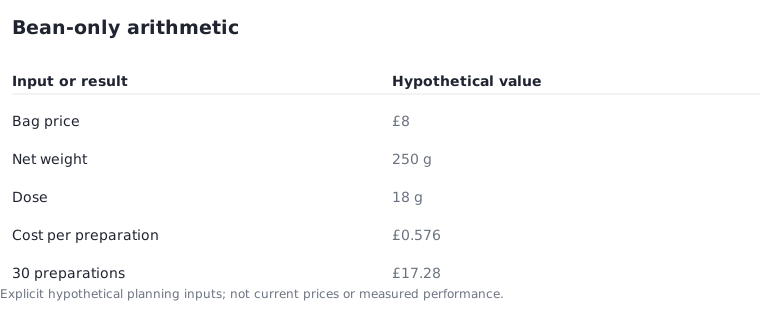
The fractional result is useful for cost allocation, but it does not promise another complete serving. Record leftover beans separately when counting complete preparations. The empty basket photograph illustrates where your measured dose goes; its appearance does not establish basket capacity or compatibility.
Keep milk, maintenance and equipment separate
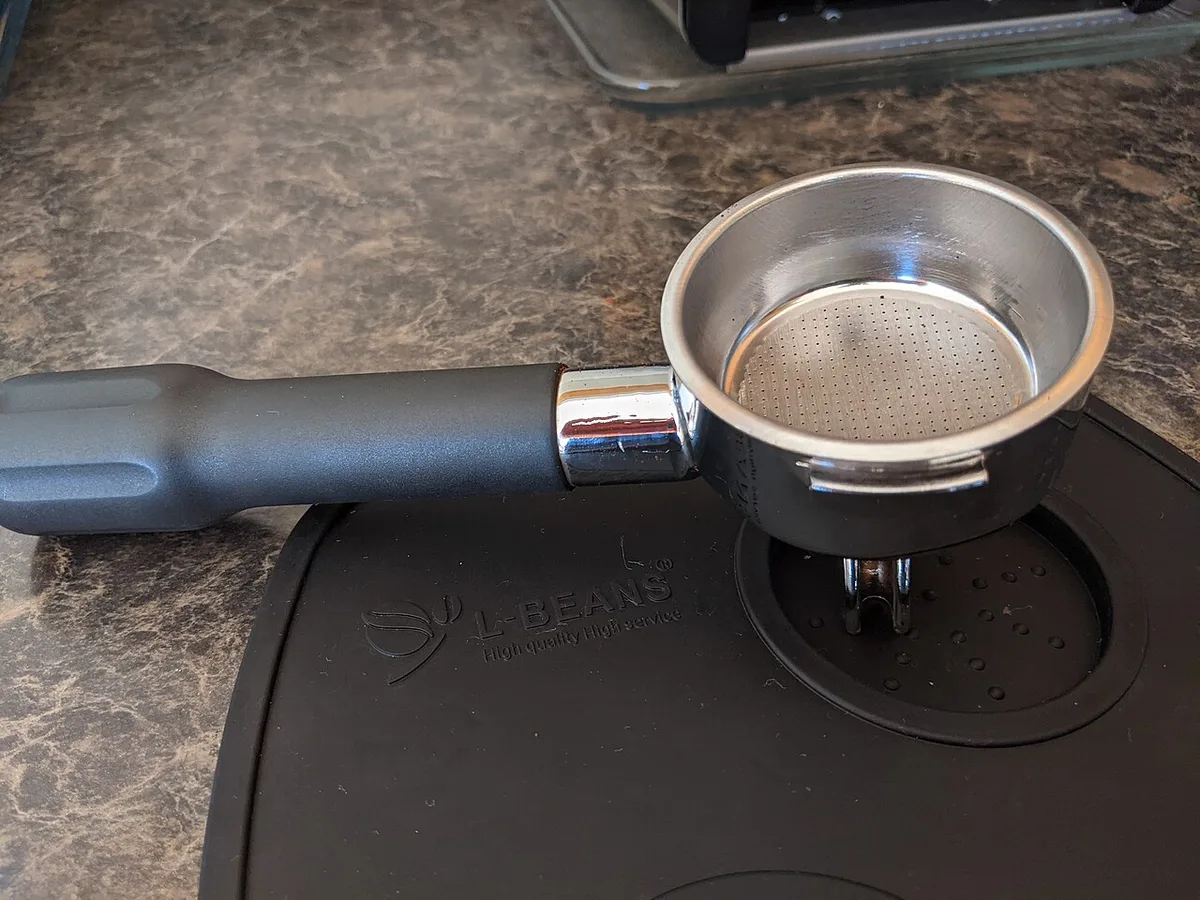
A bean-only figure is a useful starting point, but it is not the full cost of a coffee routine. Add milk or other ingredients from your own receipts if used, and keep filters, cleaning products and electricity in separate lines. Do not substitute the appliance's rated power for a measured consumption total. If you allocate the machine purchase over a period, label that assumption and show the original purchase amount as well.
For an illustrative comparison, adding £0.20 of other ingredients to the rounded £0.58 bean estimate gives about £0.78 per drink. This example excludes all other costs. It cannot establish a saving against a café purchase because the drinks, service and buying behaviour may differ.
Make a small record you can update
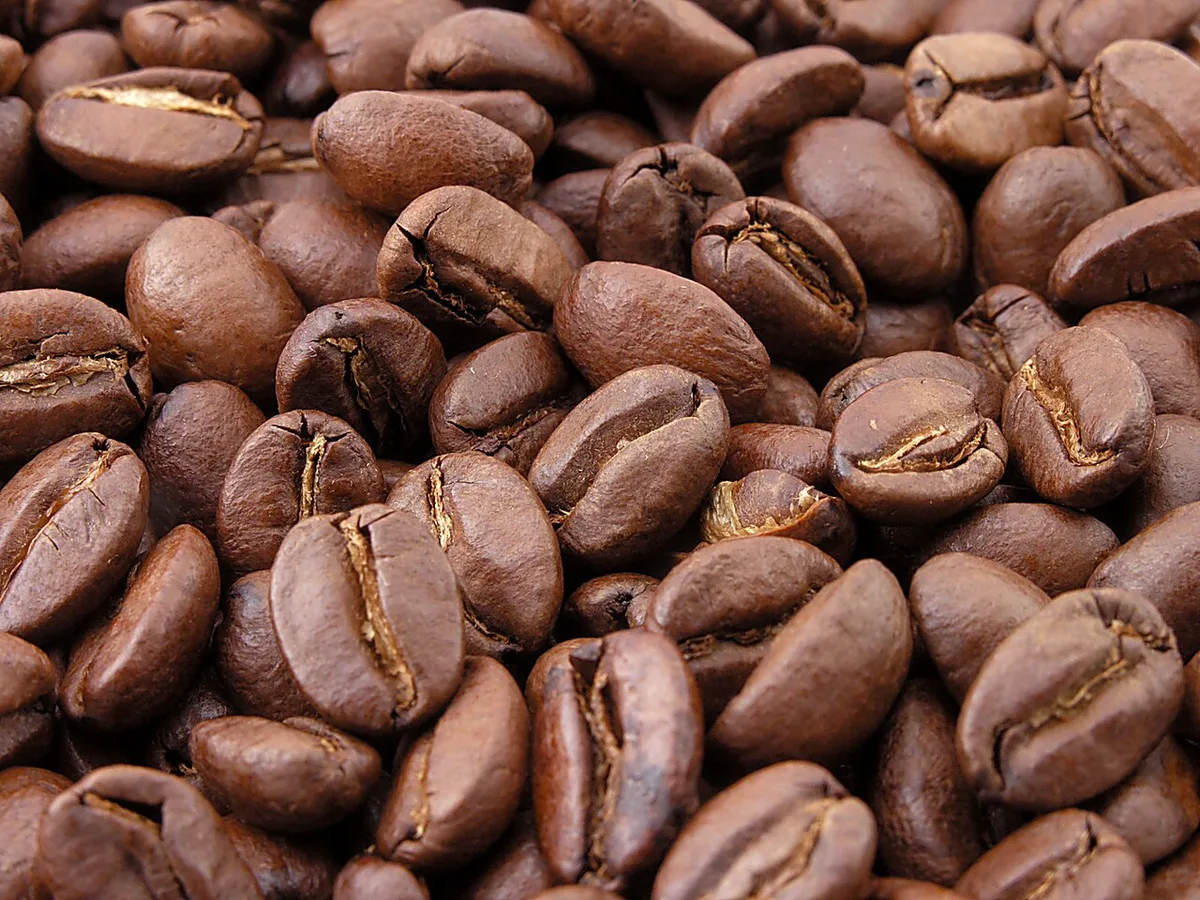
Keep a short note containing the purchase date, amount paid, net bag weight, preparation dose and number of preparations. Recalculate when any input changes. If several people use different doses, record each routine separately instead of forcing every cup into one average. A photograph of whole beans cannot verify their weight, freshness or price; use the package and your own measurements for those inputs.
The practical decision is whether a particular bag and routine fit your budget and preferences. Compare like-for-like amounts first, then consider taste and the work involved. Save your assumptions alongside the result so that next month's comparison remains understandable even when the package size or price has changed.