Build a coffee-machine budget beyond the machine price
Separate the initial purchase, bean use and care allowance using your own dated quotes and assumptions.
Updated:
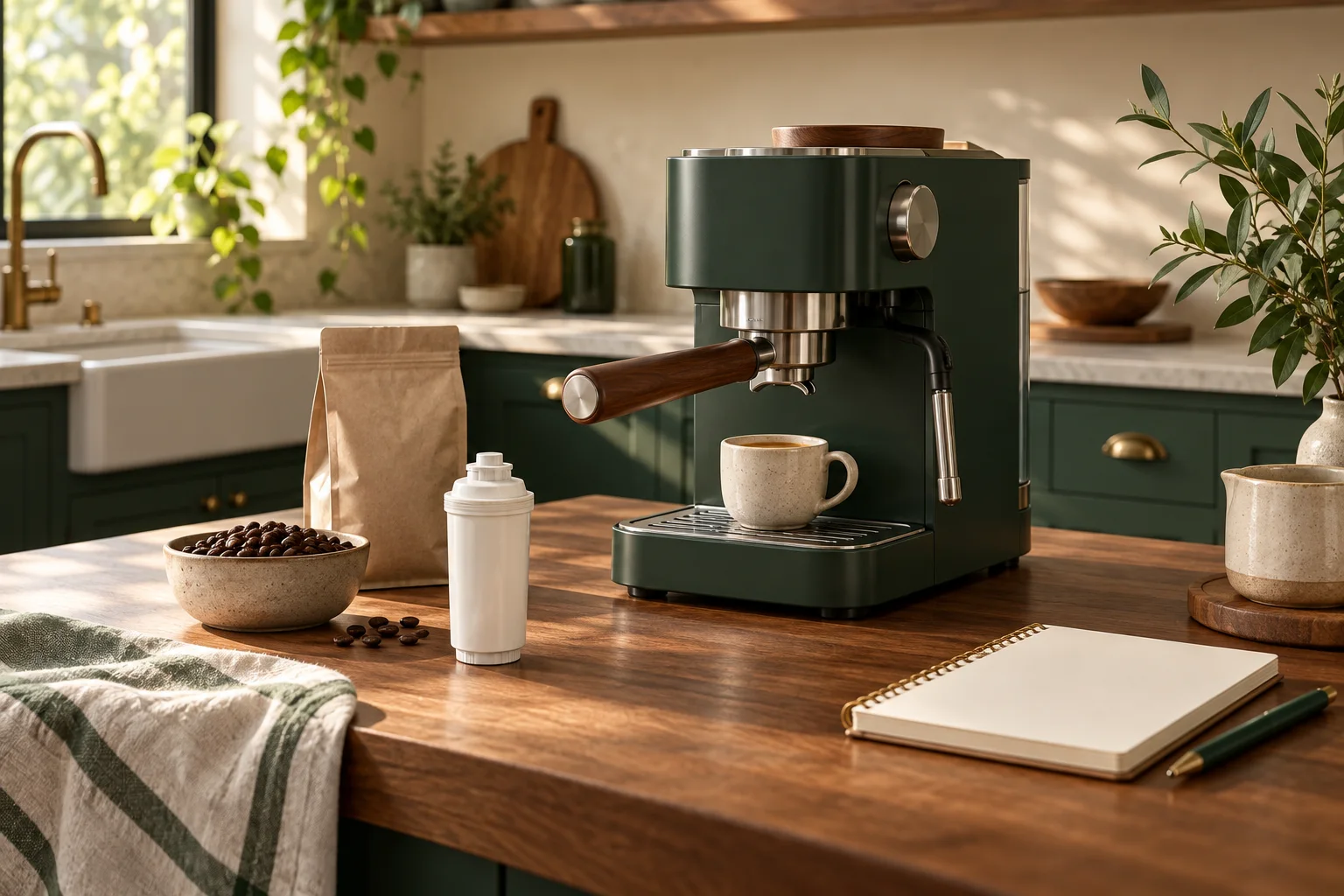
Separate the initial payment from recurring use
A useful coffee-machine budget has at least two parts: the equipment payment and the continuing cost of the routine you expect to follow. Keep accessories, beans and care supplies visible rather than treating the appliance price as the entire commitment. Use dated quotes for actual purchases and label every hypothetical input in an exploratory calculation.
The Sage UK documentation illustrates that an espresso machine has specific baskets, water-system requirements and care instructions. Those details help identify what belongs in a personal budget, but they do not establish one universal accessory kit or ownership cost. This article makes no current-price or measured energy-use claim.
Sage BES875 / SES875 UK instruction manual ? Sage UK Barista Express product specification ?
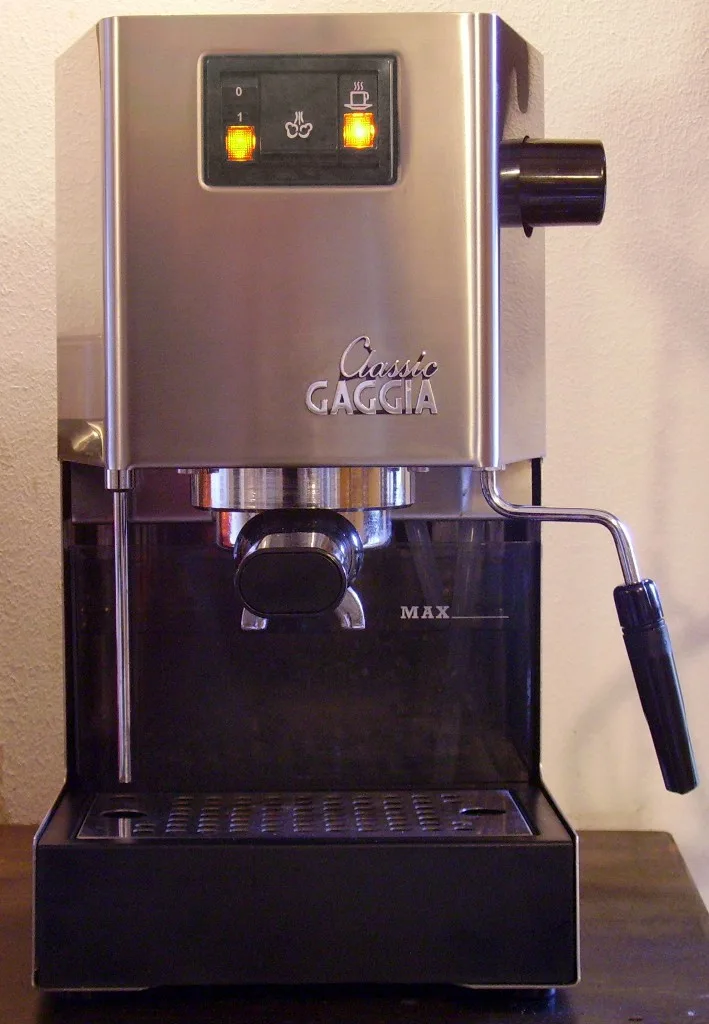
Calculate the equipment total without hiding additions
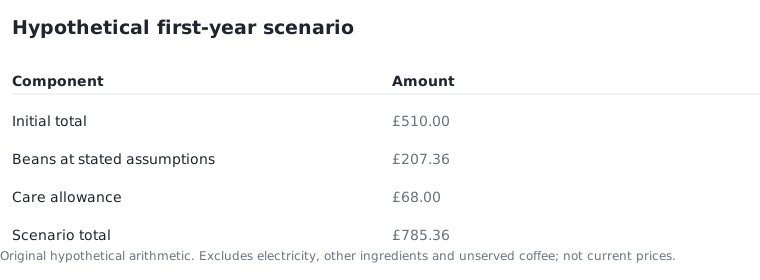
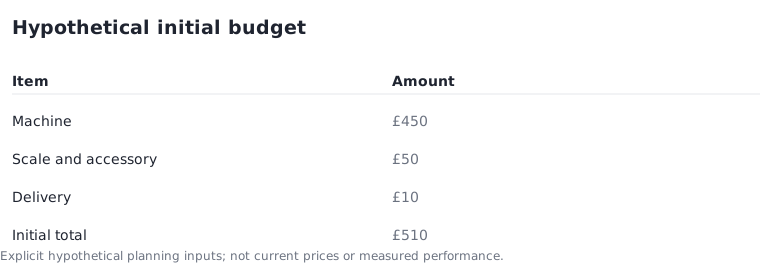
For an invented example, assume an appliance costs £450, a separate scale £35 and a chosen accessory £15. The equipment subtotal is £450 + £35 + £15 = £500. If delivery is an additional assumed £10, the initial total becomes £510. These are explicitly hypothetical amounts, not retailer quotes or a recommendation that those accessories are necessary.
Before using a real number, check what is already included with the exact package. Counting an included item again inflates the budget, while omitting a required item understates it. Keep optional upgrades outside the essential subtotal so that the decision remains understandable.
Carry the bean calculation through to an annual scenario
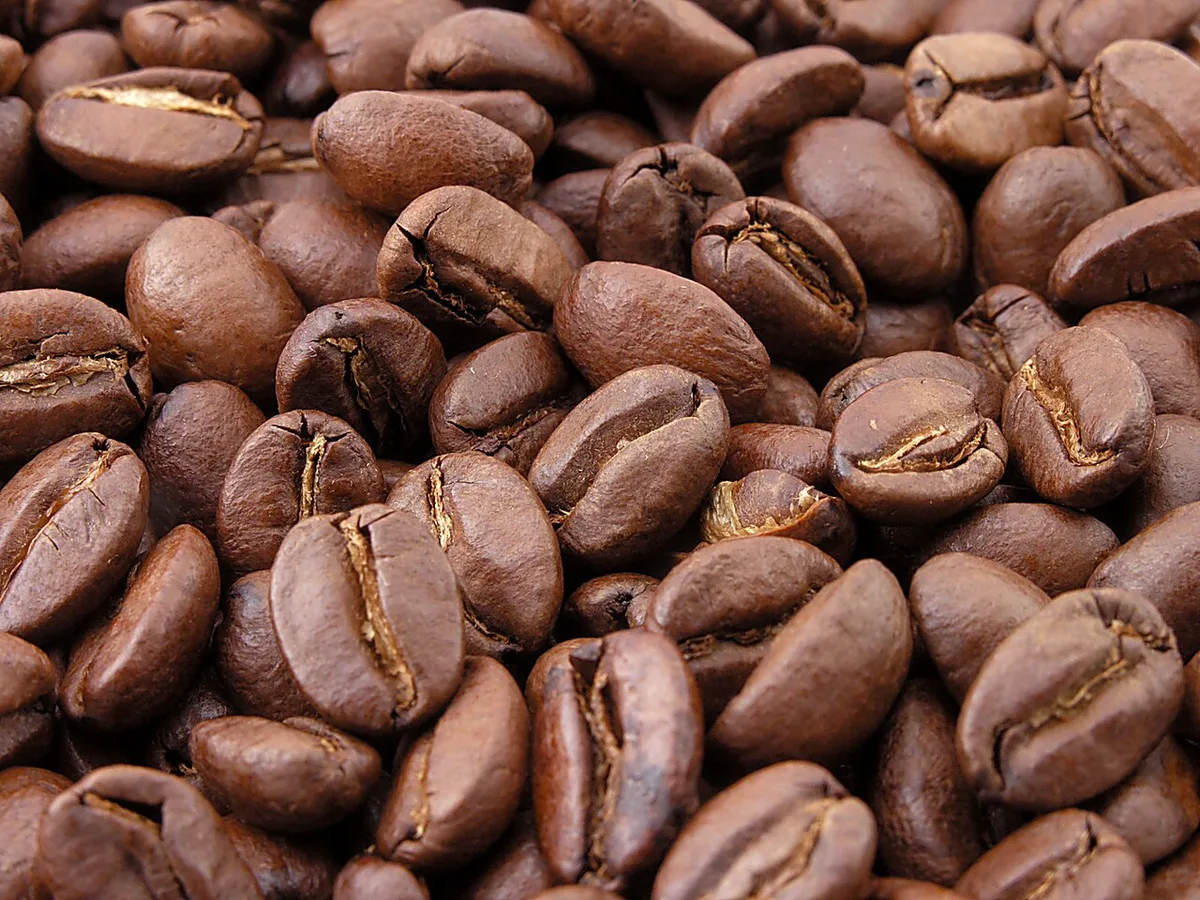
Using the site's hypothetical bean example, an £8 bag containing 250 g and an assumed 18 g preparation gives £8 ÷ 250 × 18 = £0.576 per preparation. At 30 preparations per month, the unrounded monthly amount is £17.28. Twelve such months total £207.36. The dose and frequency are assumptions for arithmetic, not preparation guidance.
This is a bean-only calculation. It excludes unserved coffee, other ingredients, cleaning, electricity and equipment. Round displayed money at the end of the calculation rather than rounding £0.576 to £0.58 before multiplying, which would change the result. If your actual usage changes, replace the inputs rather than presenting the scenario as measured spending.
Add care as its own documented allowance
Suppose a further hypothetical annual care allocation is £68, matching the starting example in the yearly care calculator. Adding £207.36 of scenario beans gives £275.36 of recurring allowance. Combined with the invented £510 initial purchase, the first-year scenario totals £785.36 before the explicitly excluded costs. It is not a complete measured cost of ownership.
Use the exact appliance and cartridge instructions to determine the supplies and replacement needs behind a real allowance. BRITA's UK FAQ, for instance, distinguishes cartridge requirements by product and use. Do not choose a replacement schedule solely to make an annual budget fit an attractive total.
BRITA UK cartridge questions and answers ?
Use the budget to expose the decision that matters
Compare an affordable initial payment with a routine you can also maintain. A lower equipment quote may still require accessories or consumables that affect your own plan. Conversely, an optional upgrade should not be disguised as an unavoidable cost. Preserve the assumptions so another household member can see which items are essential, optional or unresolved.
The final worksheet should state the initial total, recurring scenario, excluded categories and dates of actual quotes. It should also say that no saving against café purchases has been established here. A payback claim would require a separate, comparable pattern of purchases and costs rather than an invented revenue or saving figure.