Check hot-liquid restrictions before choosing a blender for soup
A soup plan needs explicit permission for temperature and container, not an assumption based on jug size.
Updated:
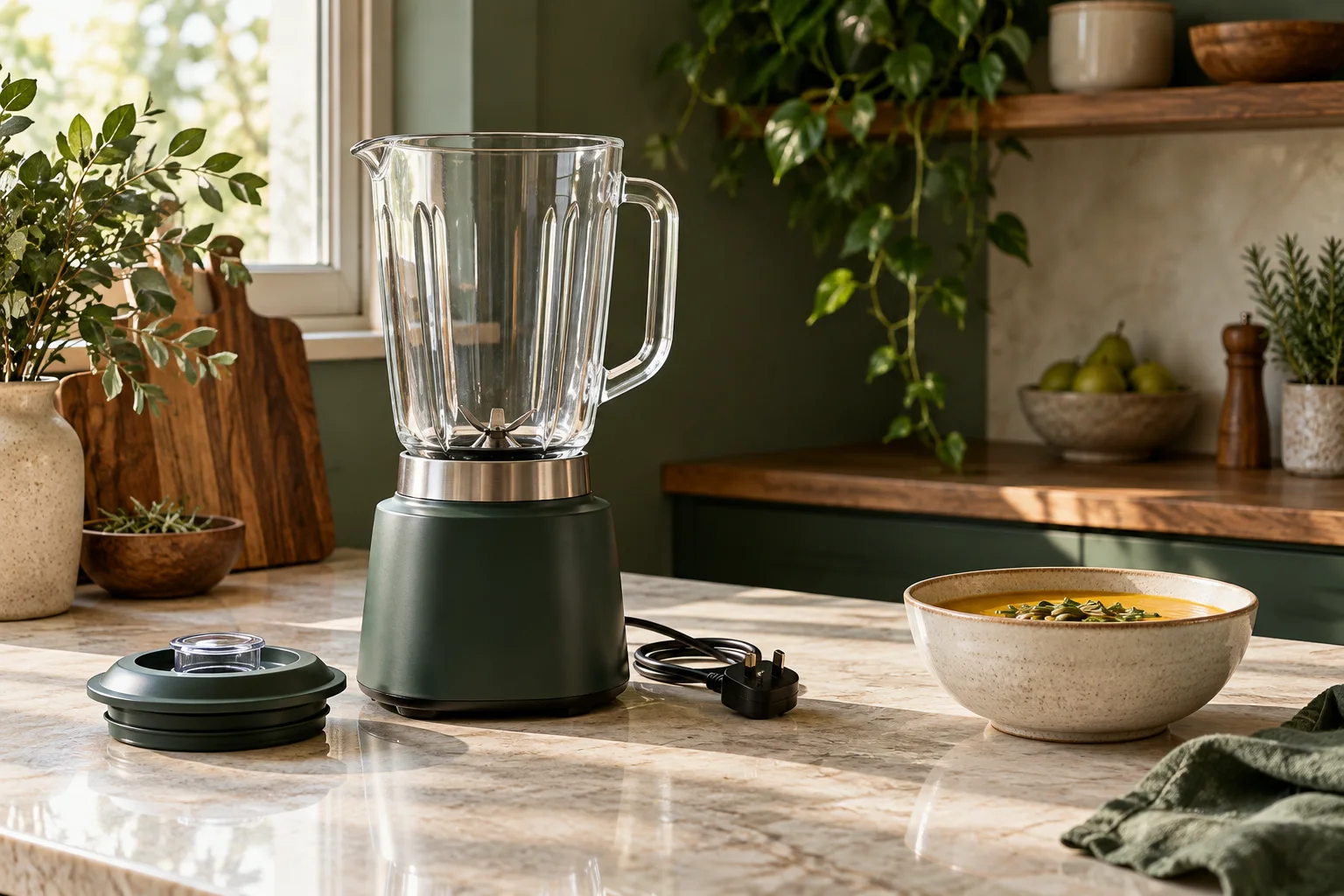
A soup requirement can rule out the wrong machine
If you want to blend hot soup, choose only equipment whose exact instructions permit that intended preparation. Do not infer permission from a glass-looking jug, a powerful motor or a soup photograph. The Ninja BN750UK manufacturer booklet explicitly warns against blending hot liquids. That restriction means it should not be shortlisted for hot-liquid blending on the basis of its jug capacity.
This article is a buying checklist, not a procedure for handling hot mixtures. It does not propose a temperature threshold, cooling time or workaround. Those details cannot be supplied by copying instructions from a different appliance. Use the exact product documentation for the task and container you intend to use.
Ninja BN750UK manufacturer instruction booklet, hosted by Argos support ?
Read the restriction with the container name attached
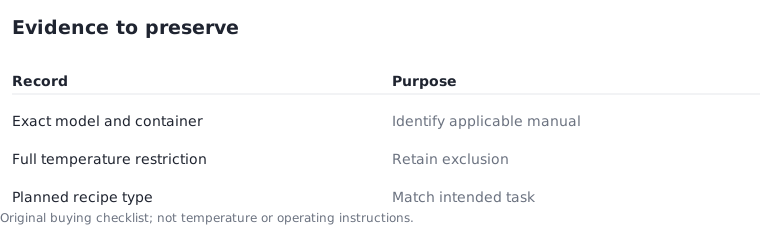
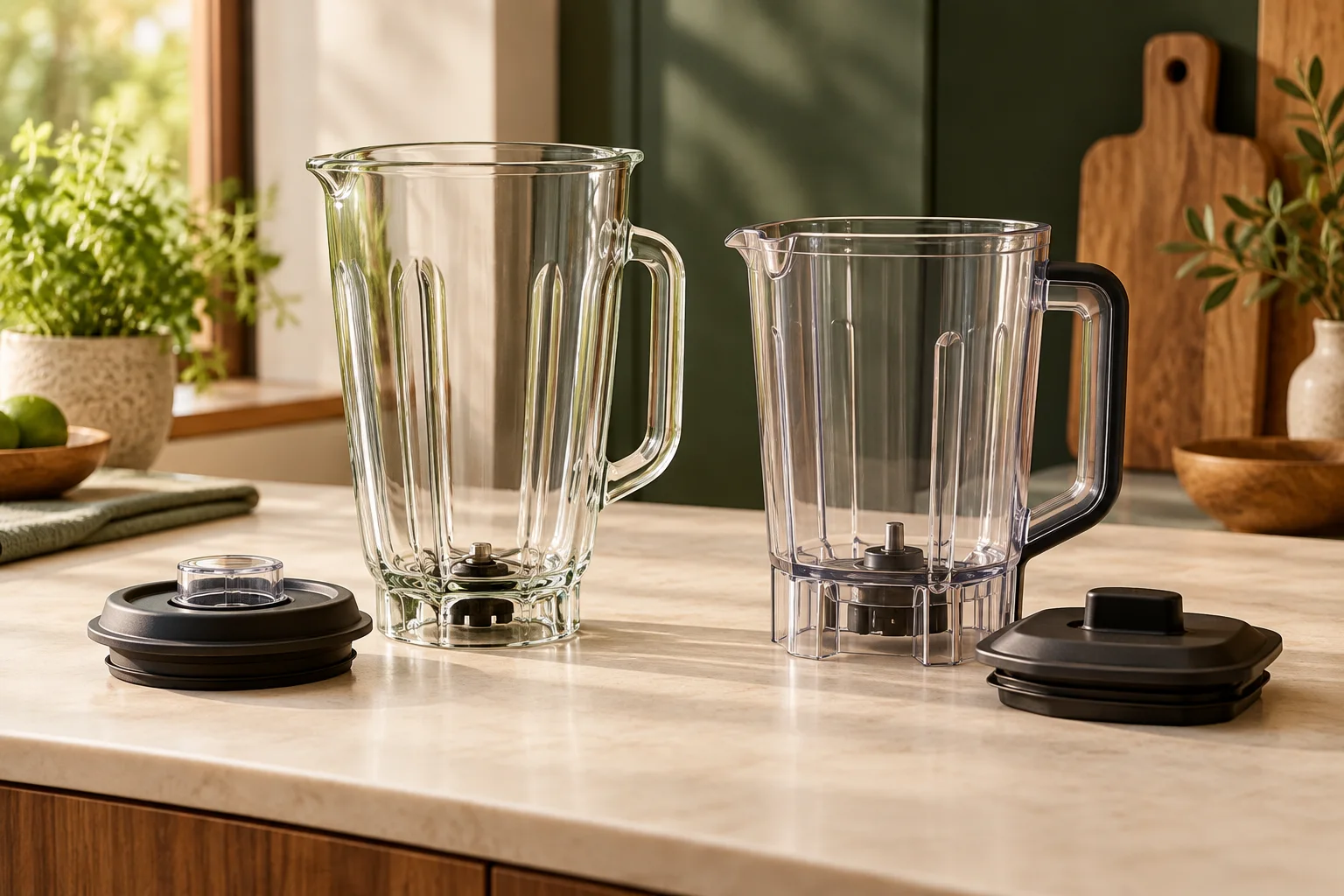
Save the model code, manual edition and named container beside any temperature-related statement. A large jug and a sealed personal cup may have different instructions within one product family. A rule for a different model or attachment does not establish permission for the one in your basket. Keep the complete warning rather than a shortened phrase in a comparison table.
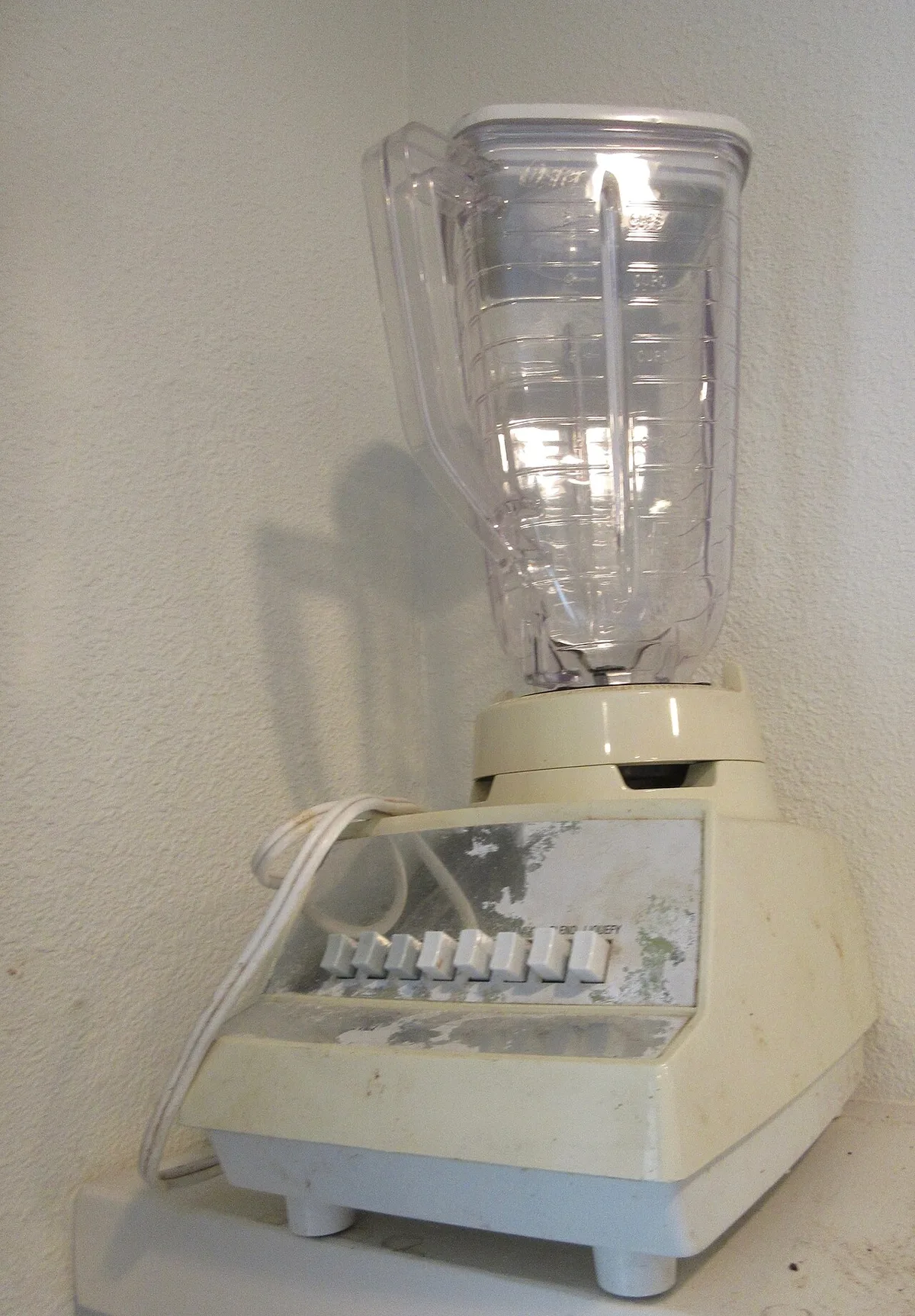
For the BN750UK example, the booklet's warning is a reason to exclude the prohibited task. It is not a prompt to seek an unofficial lid-opening technique. A historical blender photograph can show a lid and jug but cannot demonstrate pressure handling or suitability for hot ingredients.
Separate your recipes before comparing appliances
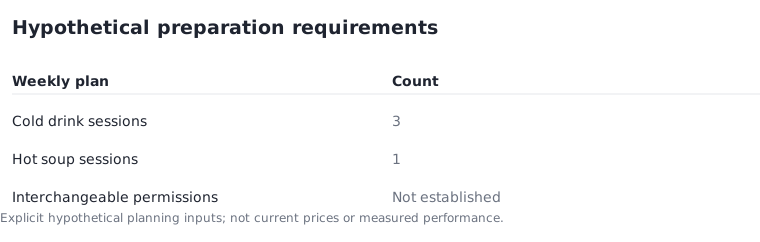
List the preparations you expect to make and distinguish hot-liquid blending from cold drinks or other permitted tasks. For a hypothetical weekly plan containing cold drinks prepared 3 times per week and hot soup prepared 1 time per week, the intended total is 4 times per week, with separate permissions for each preparation. A product that covers the first group may still fail an essential requirement in the second.
These invented counts help organise a purchase decision; they do not describe a recommended diet or operating schedule. If hot soup is essential, keep it as a mandatory requirement when comparing manufacturers' instructions. Do not let a high number of unrelated programmes obscure a restriction that matters to your actual routine.
Do not use imagery as evidence of an operating method
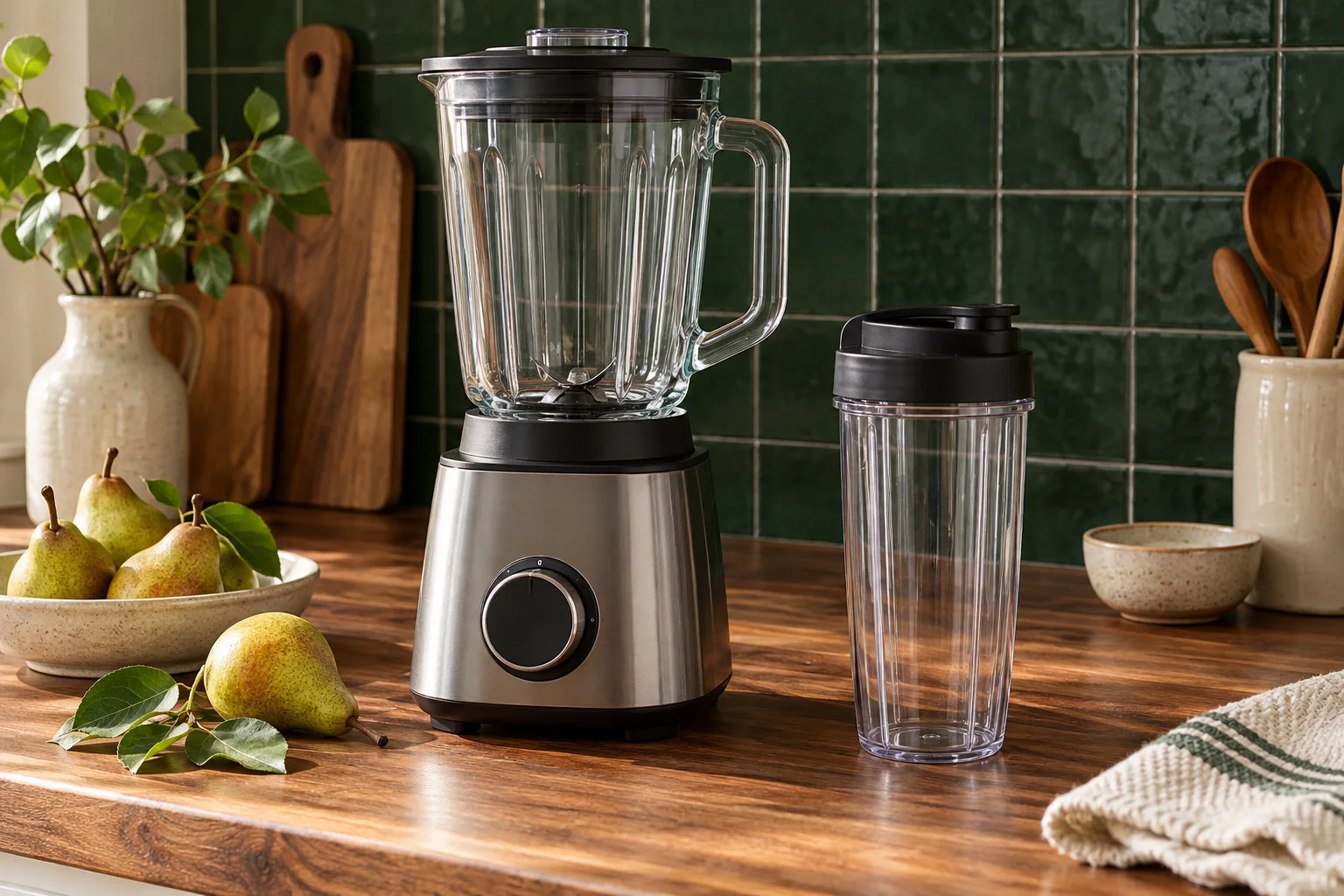
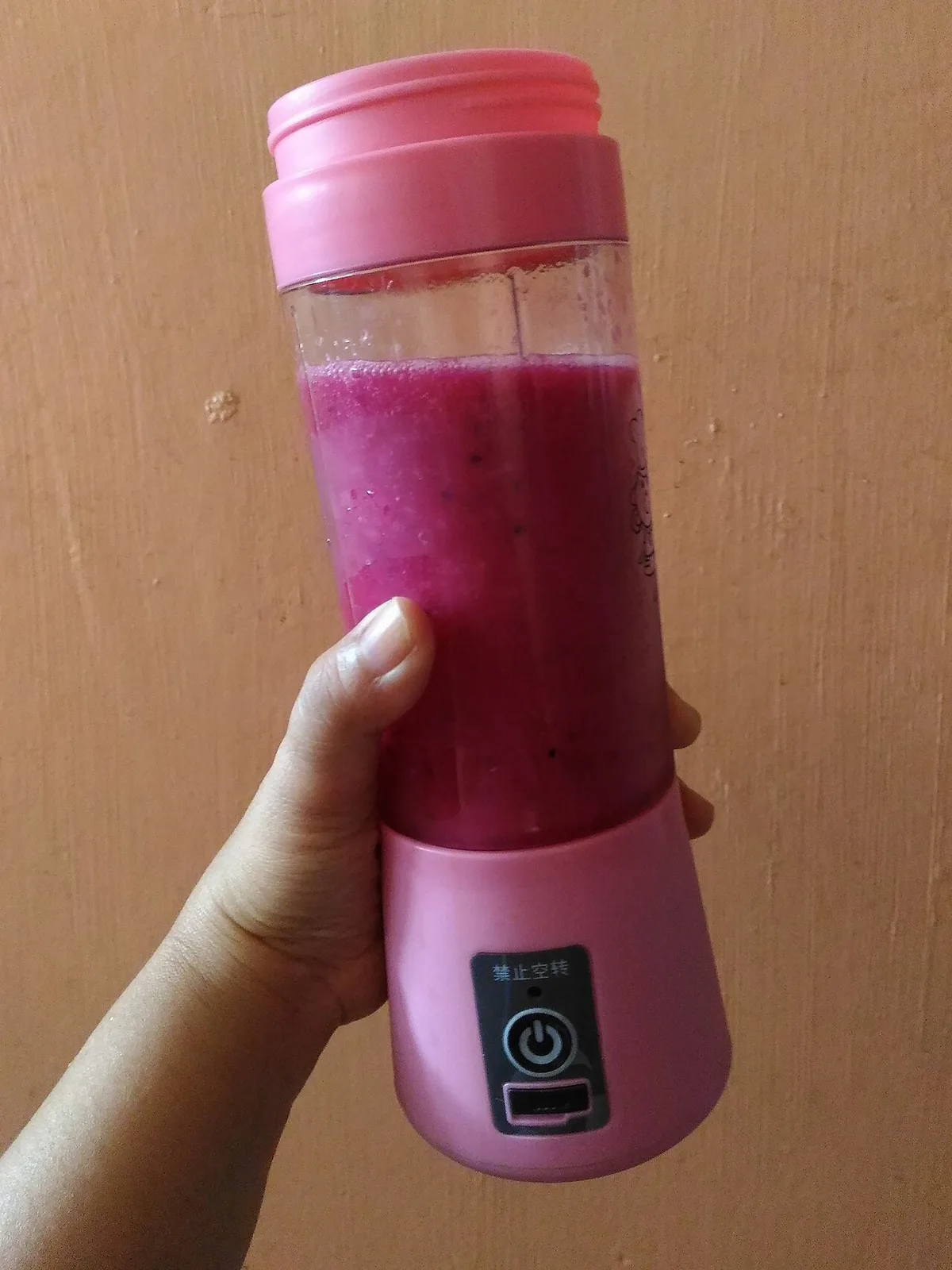
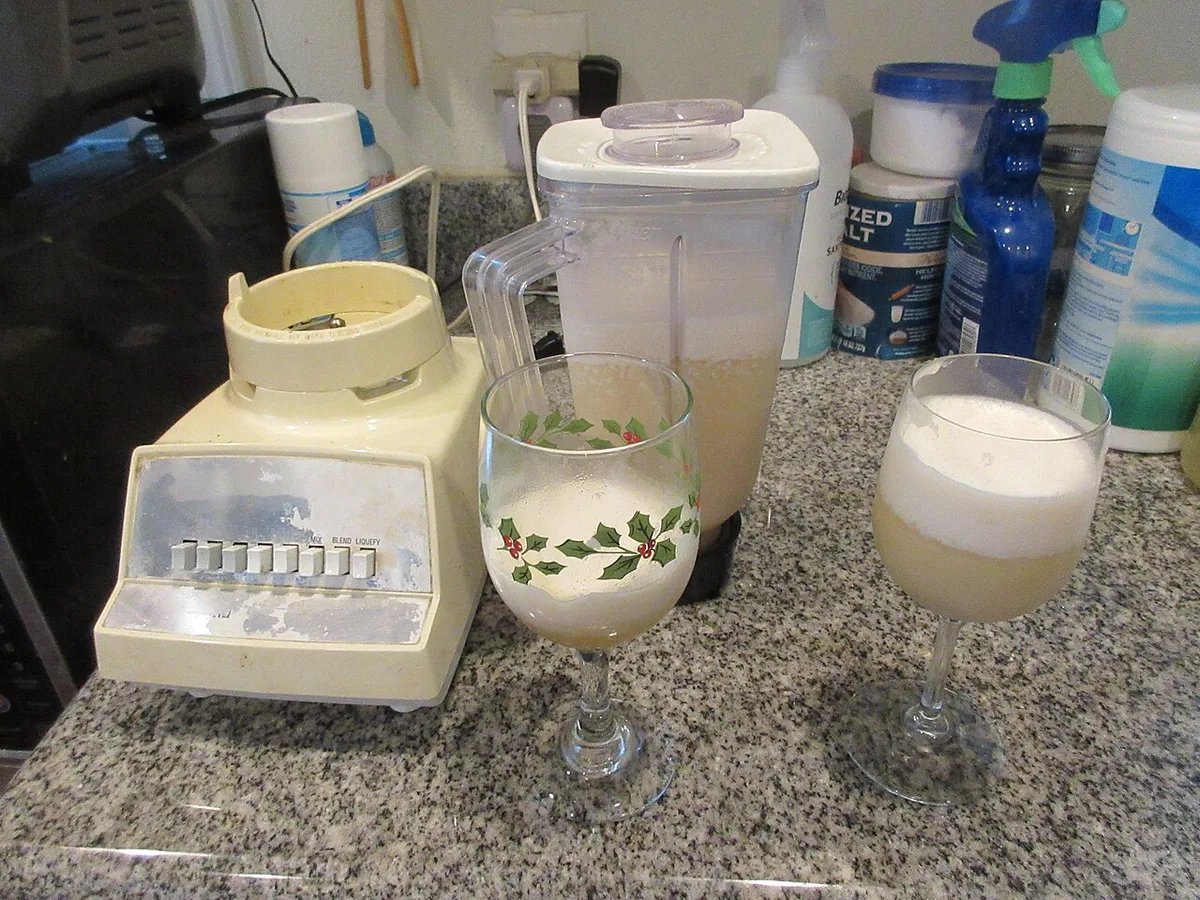
Our archival photographs illustrate the physical differences between a countertop jug, a portable drink container and a separate lid. None depicts a verified method for blending hot soup. The conceptual cover is also an illustration, not a test record. No image on this page changes a manufacturer's warning or establishes that a particular ingredient can be loaded.
When viewing retail images elsewhere, apply the same distinction. An attractive bowl beside an appliance is not a complete use instruction. The useful evidence is the product's current manual identifying the permitted task, compatible container and relevant restrictions.
Keep a clear pass-or-exclude record
For each shortlisted appliance, record whether its exact instructions explicitly support the intended preparation. If the available documentation prohibits it, exclude that task from the machine's role. If the documentation is missing or unclear, keep the requirement unresolved rather than treating silence as permission. This makes the comparison understandable to another person in the household.
In the hypothetical four-session plan, a model restricted to the three cold sessions leaves one essential task uncovered. The answer is to revise the appliance shortlist or the planned workflow using suitable documented equipment, not to override a warning. A capacity or cost calculation cannot resolve an operating restriction.