Read a blender’s working capacity separately from its jug size
Use the exact container limits rather than treating nominal volume as permission to fill to the top.
Updated:
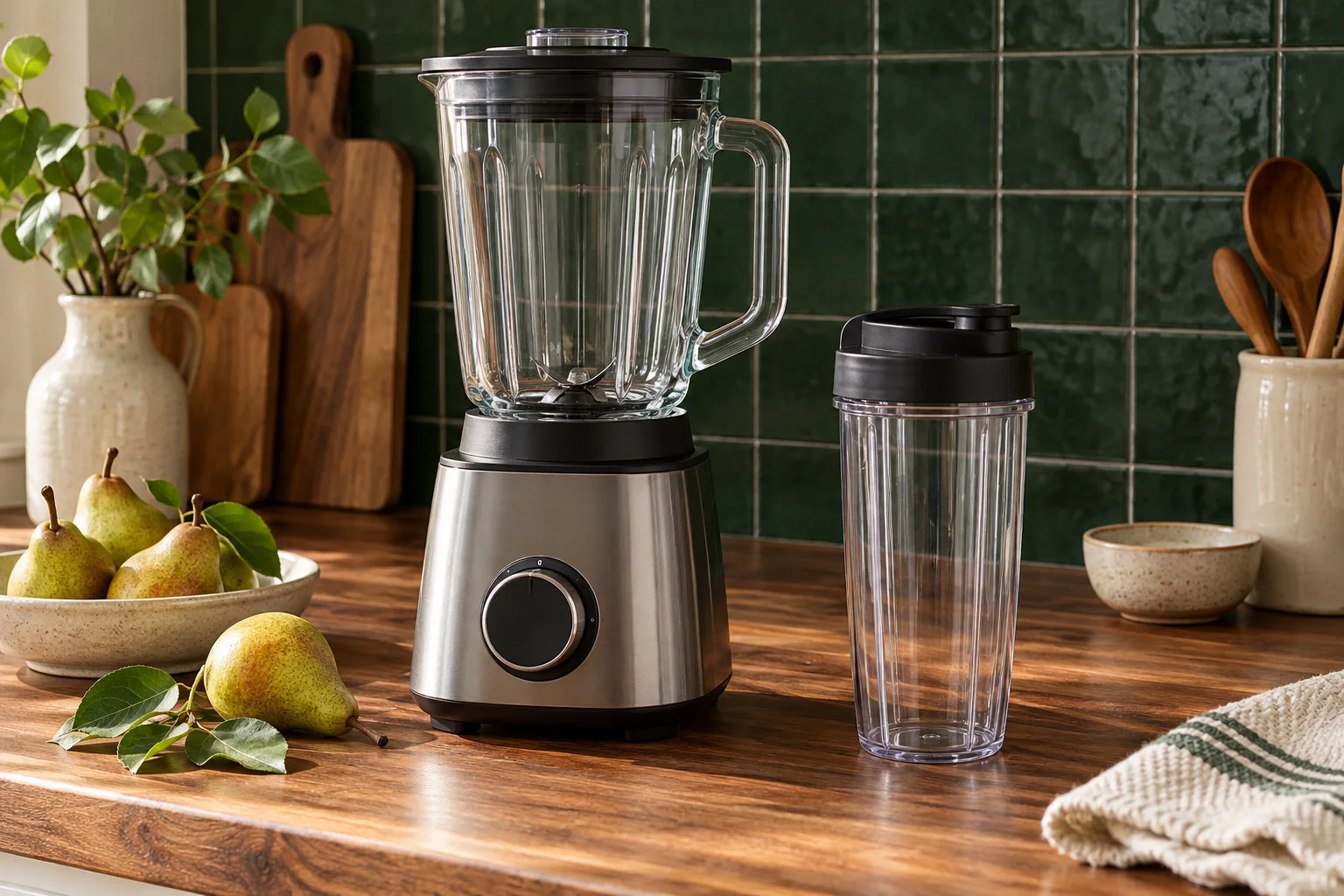
The permitted fill is the number that governs use
A blender's nominal jug capacity and permitted liquid fill can be different figures. Use the markings and instructions for the exact container, ingredients and intended programme. A large headline volume does not authorise filling the vessel to its rim. This distinction matters when deciding whether a machine suits the batch you expect to prepare.
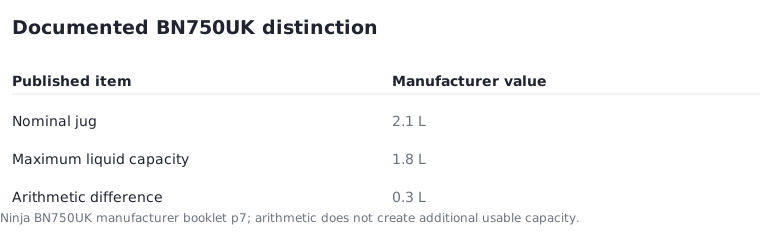
For a documented example, the Ninja BN750UK manufacturer booklet lists a 2.1 litre jug with a footnote giving a 1.8 litre maximum liquid capacity. The same booklet identifies a 700 ml single-serve cup. These figures describe that model's specified containers; they are not general limits for other blenders.
Ninja BN750UK manufacturer instruction booklet, hosted by Argos support ?
Compare the two stated volumes without adding permission
In the named example, 2.1 minus 1.8 equals 0.3 litres, or 300 ml. That subtraction explains why the two published figures should not be treated as interchangeable. It does not establish an extra usable compartment or a universal headspace rule. The manufacturer booklet and container markings still govern the actual use.
Similarly, a cup's nominal size does not tell you which mixture, temperature or attachment is permitted. Preserve any separate maximum-fill line and the relevant manual passage. Do not derive a safe fill for another container by applying the 300 ml difference from this example.
Turn a proposed serving size into a batch question
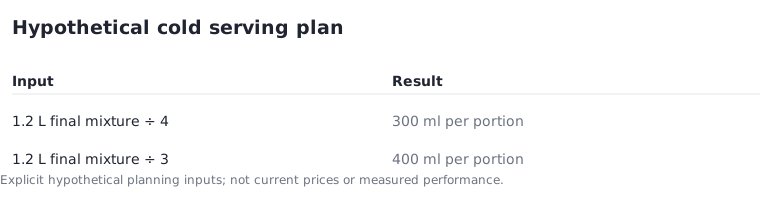
Assume a hypothetical recipe requires a final 1.2 litres of a cold mixture and that its ingredients and programme are permitted by the exact instructions. Four equal portions would be 1.2 divided by 4 = 0.3 litres, or 300 ml each. That is a serving calculation, not proof that the ingredients can be loaded together or that their initial volume equals their final blended volume.
If your proposed batch exceeds the applicable limit, split it only in a way consistent with the recipe and manufacturer instructions. Do not compress ingredients, remove a lid or change an attachment merely to reach a desired serving count. A purchase comparison should reflect these practical constraints before a machine is chosen.
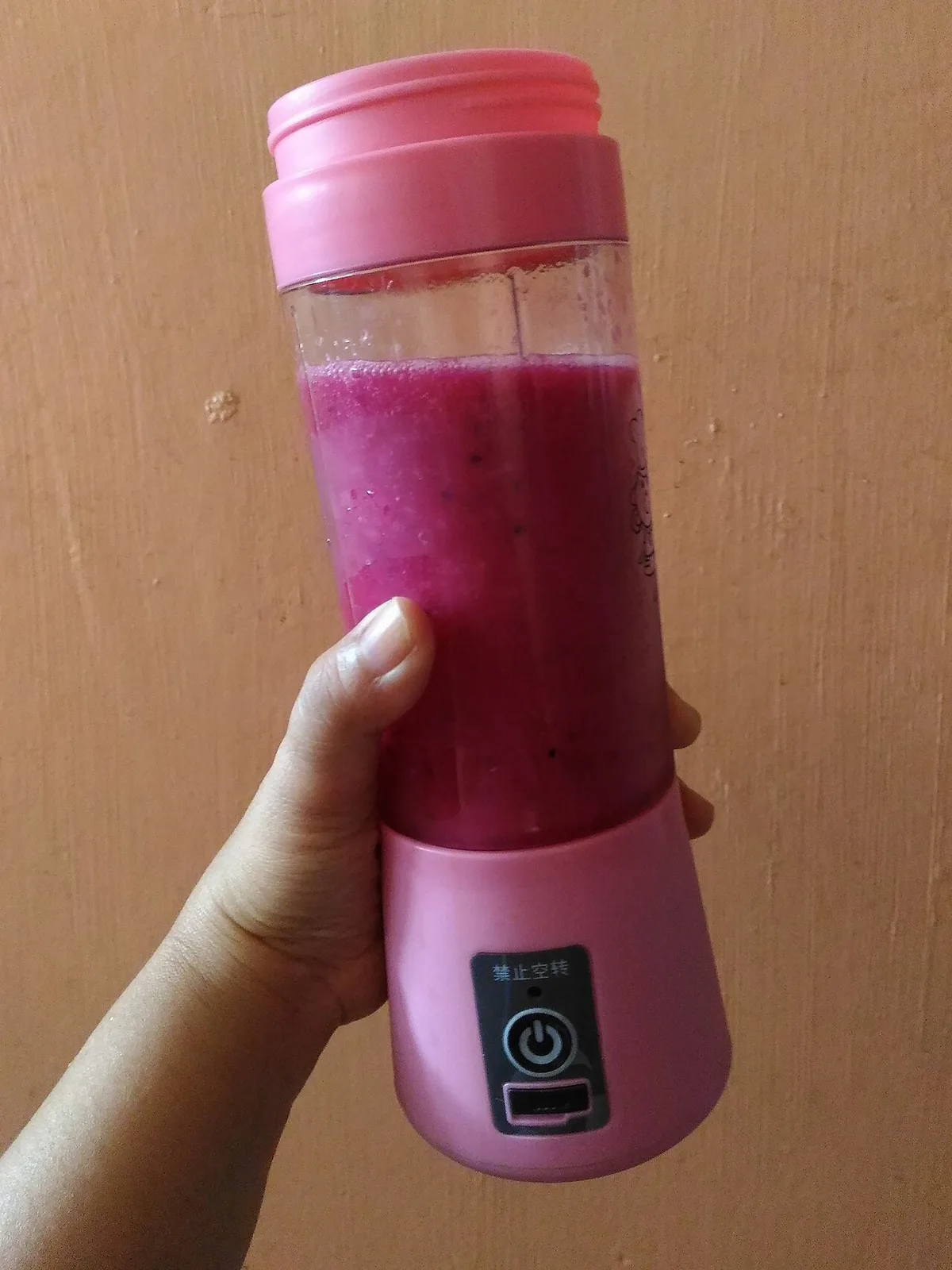
Check the vessel that comes with the exact package
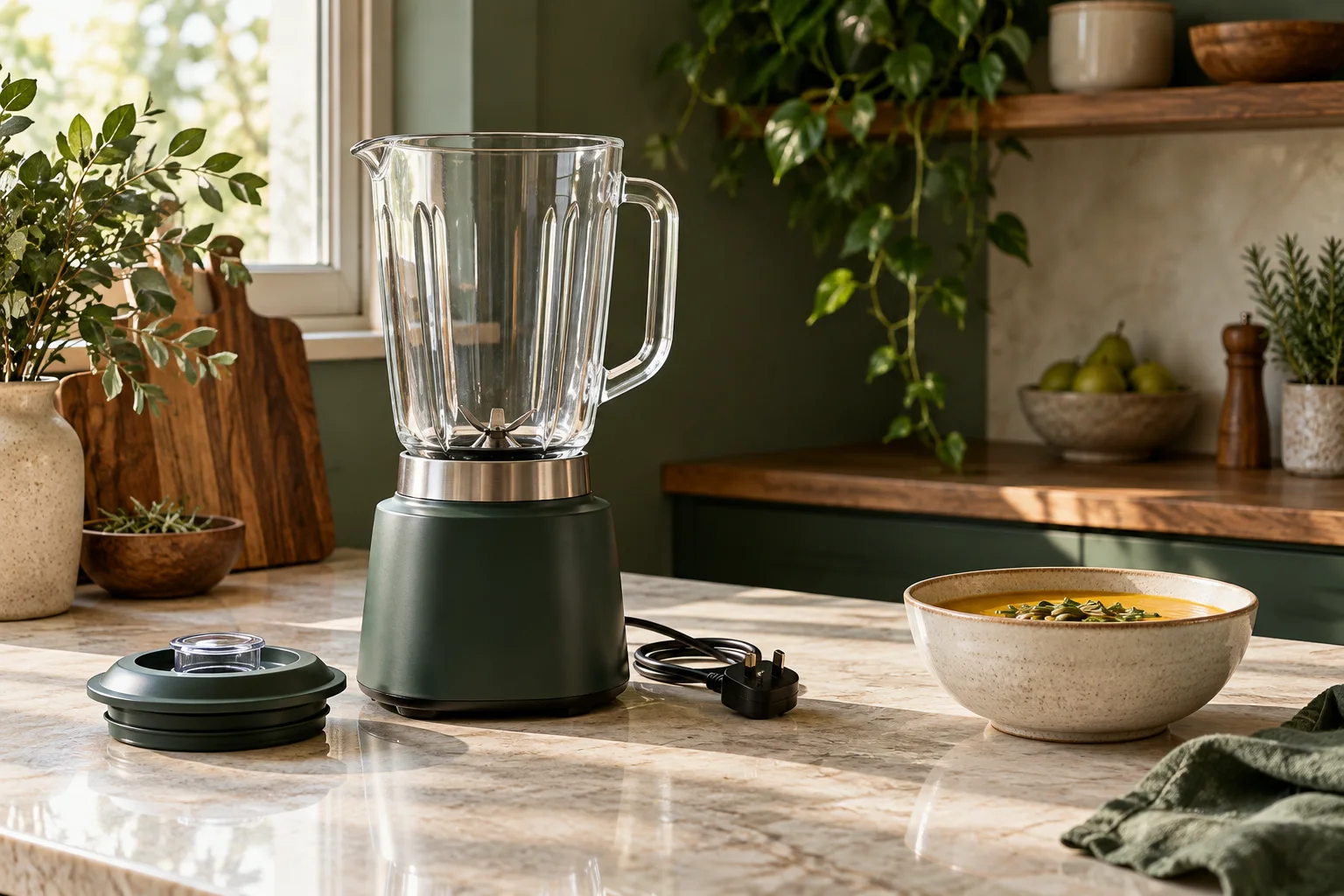
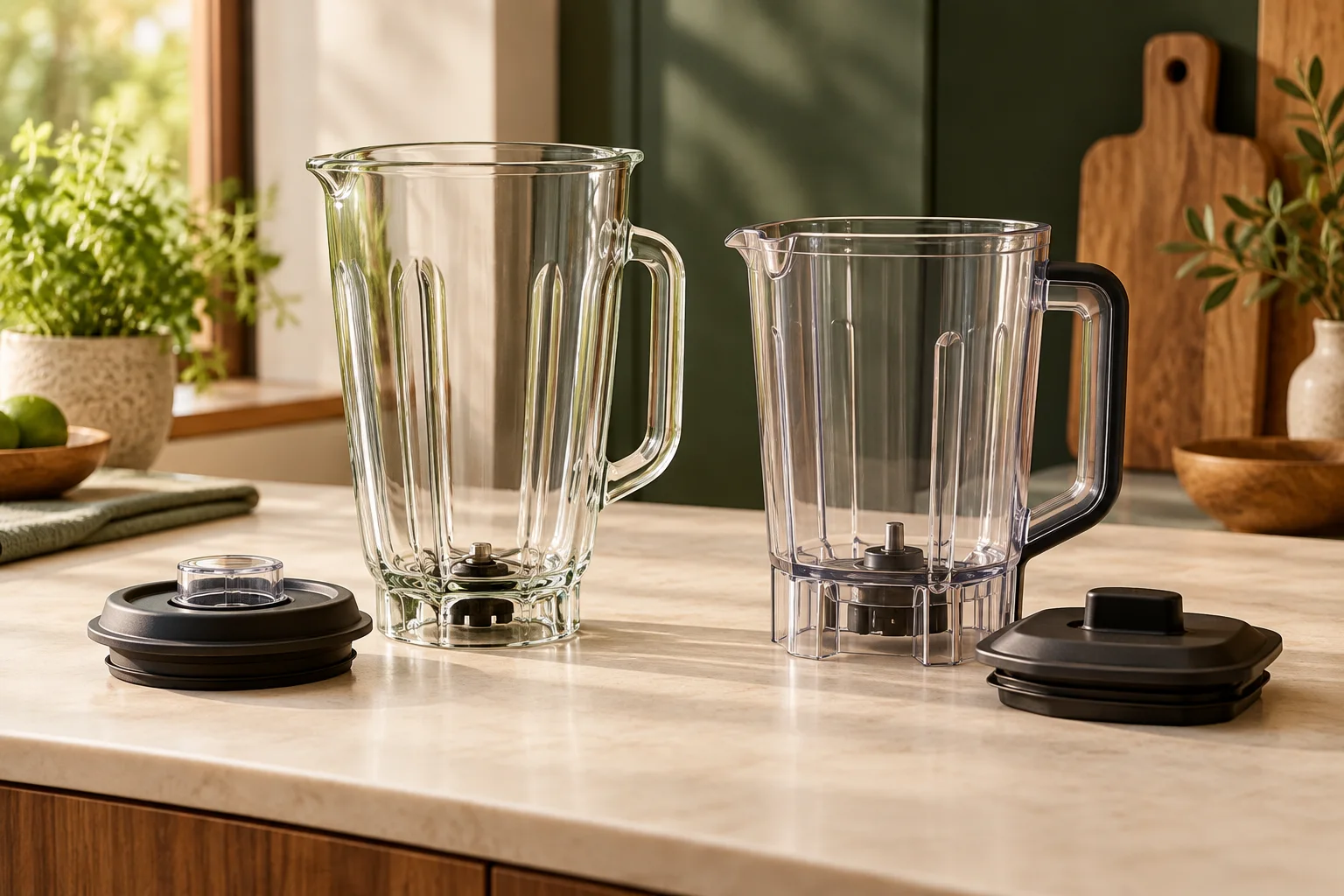
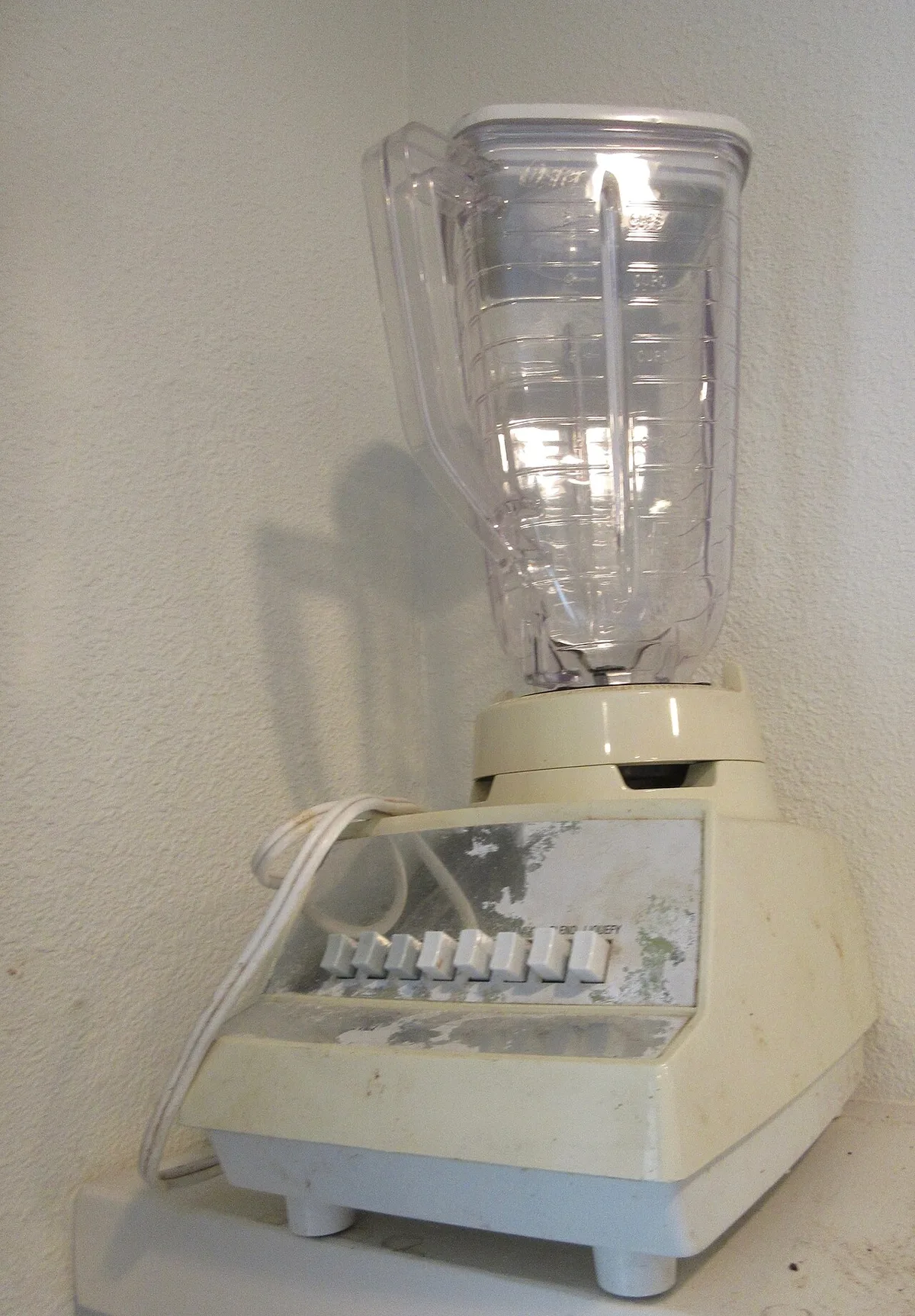
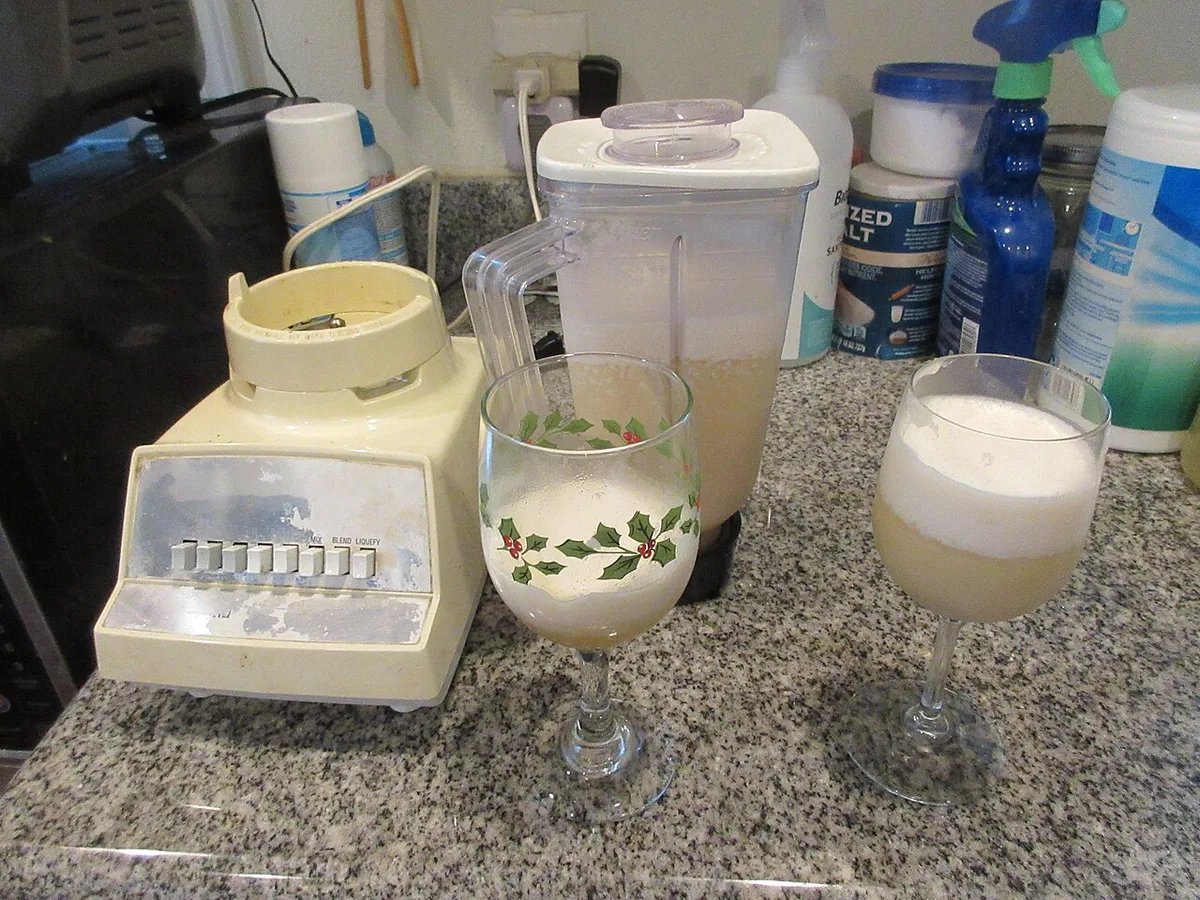
Record the model code and every included container separately. A retailer photograph may show an accessory not included in the package you intend to buy. The historic photographs here illustrate different blender forms, not a current BN750UK bundle. Their appearance does not verify capacity, blade fit or programme compatibility.
Read the list of supplied parts and the accessory documentation alongside the main specification. Keep the jug, lid, blade assembly and single-serve cup identifiable. This avoids a comparison where the advertised capacity belongs to one vessel but the expected drink routine actually uses another.
Make the final comparison about the intended mixture
Write down your typical cold batch, the approximate serving volume and the container permitted for it. Then match those needs to the manufacturer's stated limits. If hot liquids are part of the intended routine, treat that as a separate product requirement rather than assuming a roomy jug can handle them. The BN750UK booklet prohibits hot-liquid blending.
Keep unresolved recipe or ingredient questions beside the model code. A useful shortlist explains whether your intended preparation fits the exact documented vessel and restrictions. It does not rank machines by nominal litres alone or turn a capacity calculation into a safety certification.
Ninja BN750UK manufacturer instruction booklet, hosted by Argos support ?