Cleaning and descaling are different entries in the care record
Identify the task and the exact product instructions before buying care supplies or setting reminders.
Updated:
Name the task before choosing a product
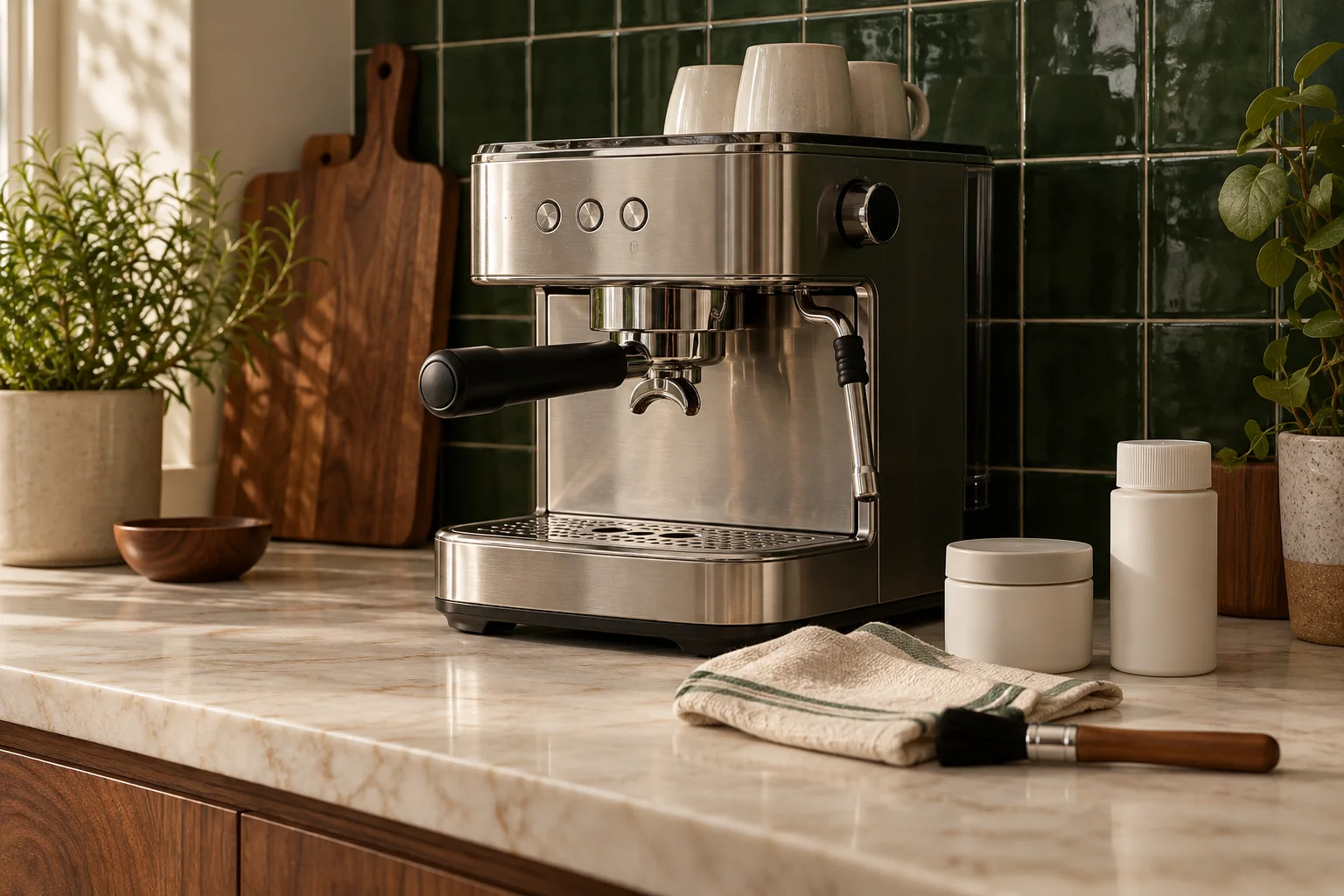
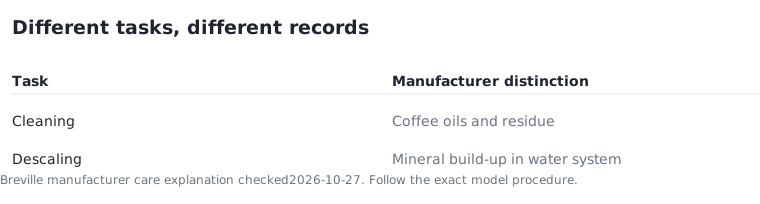
Cleaning and descaling should occupy separate rows in your maintenance notes. Breville's manufacturer explanation distinguishes coffee oils and residue in the coffee pathway from mineral build-up in the water system. It also directs readers to the specific machine's instructions for both processes. That distinction helps you ask the right question before choosing a product or starting a cycle.
Copy the task name from your model's manual and identify the associated supplies. Do not assume that a cleaning tablet and a descaling product are interchangeable because both are sold in the coffee-care section. This article is a planning guide; use the complete instructions for the actual procedure.
Breville manufacturer explanation of cleaning and descaling ?
Keep reminders attached to the model
A reminder light, a schedule and a water-hardness setting can play different roles depending on the appliance. Read which condition triggers which task. Record the model and manual edition alongside any reminder you create so that you do not carry an old routine over to a replacement machine without checking it.
De’Longhi's GB guidance for Dedica and Dedica Arte relates descaling frequency to water hardness and describes a procedure taking around25–30 minutes. That is a model-family example, not a universal interval or duration. Leave enough time to follow the relevant procedure completely, including its rinse stages, rather than treating the quoted time as a reason to stop early.
De’Longhi GB Dedica and Dedica Arte cleaning and descaling guidance ?
Plan the supplies without inventing a schedule
Before ordering, identify the exact recommended product, the amount needed under the instructions and the quantity in the package. Keep the package label with the manual reference. If a seller's description does not establish suitability for your model, resolve that question before use. A low price is not useful if the product is not appropriate for the task.
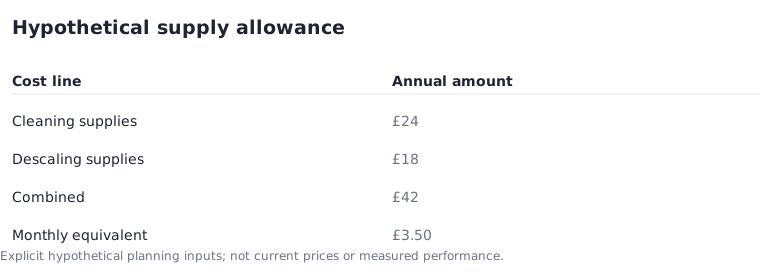
For a fictional budget only, suppose cleaning supplies total £24 for a year and descaling supplies total £18. The combined allowance is £42, equivalent to £3.50 per month. These figures do not prescribe how often either task should happen, and they are not current product prices. Replace them with your own verified purchases.
Record completion, not just the intention
A simple care record can contain the task, the date completed, the product used and a note confirming that the full prescribed procedure was finished. Keep planned reminders distinct from completed work. If you only bought the supplies, do not mark the task complete. If something unusual happens, record it accurately and consult the model's troubleshooting or manufacturer support.
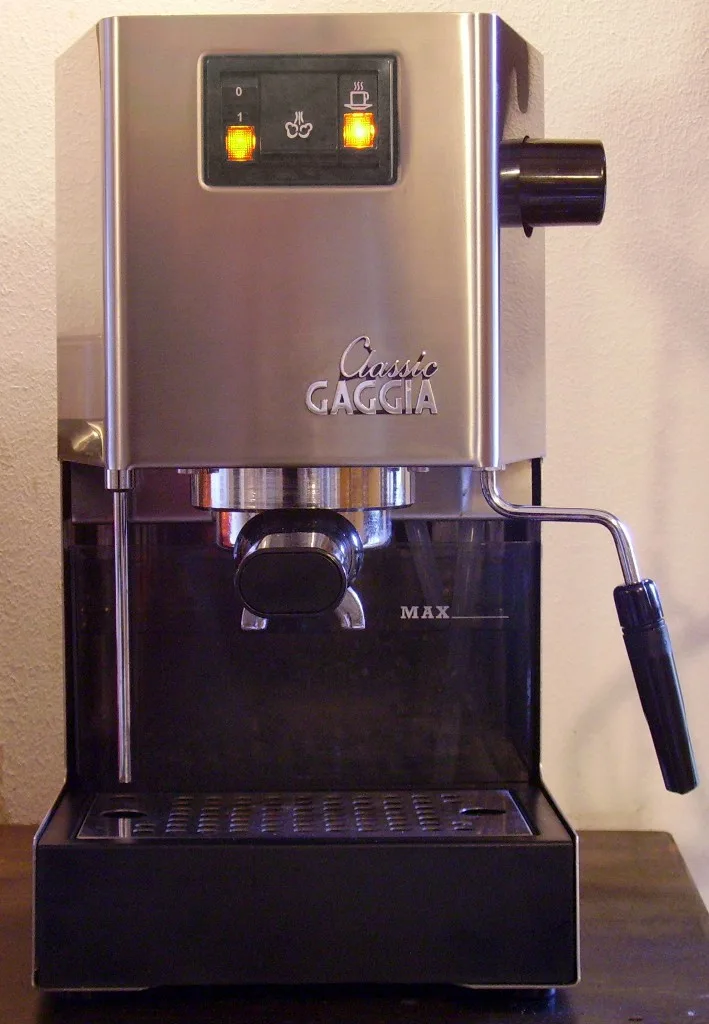
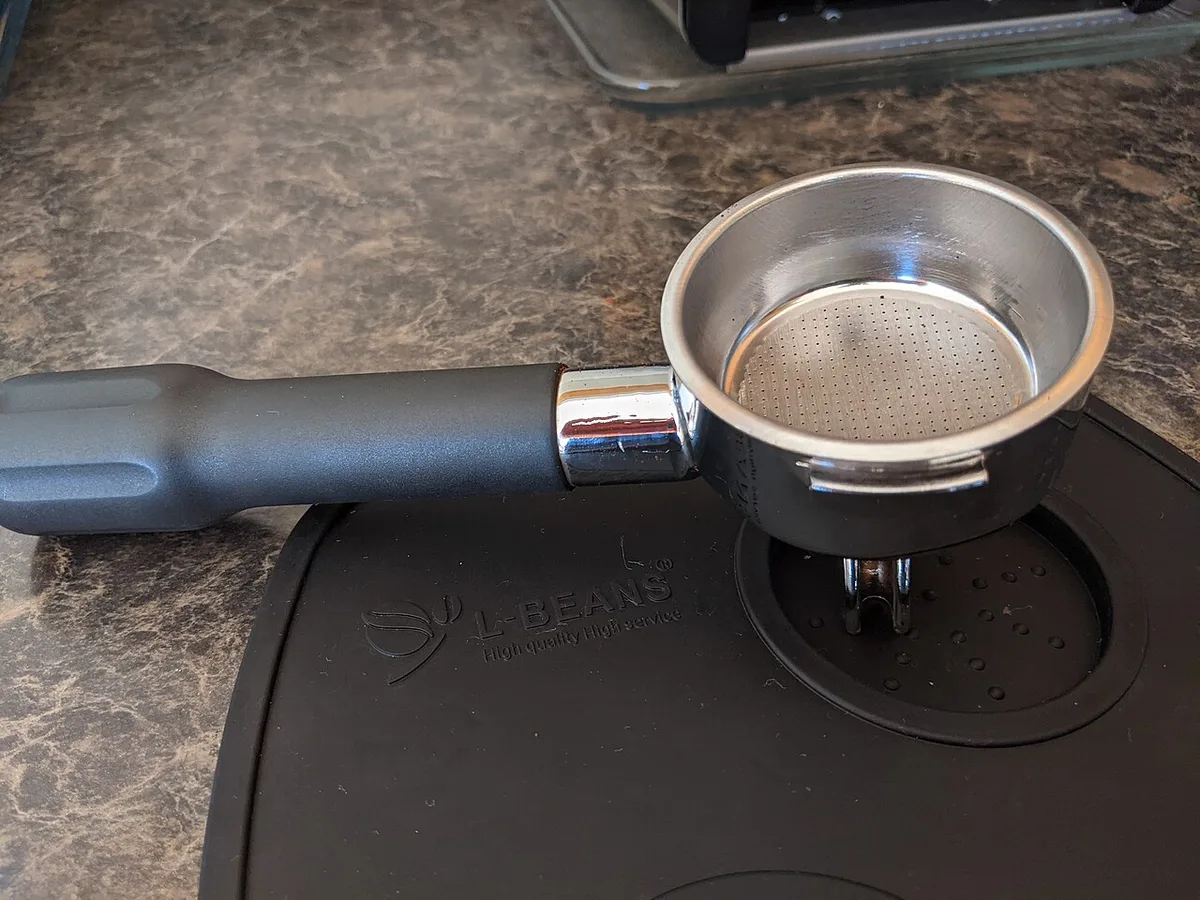
The historical photographs illustrate parts of espresso preparation that may appear in a care routine. They are not demonstrations of cleaning, disassembly or chemical use. Avoid copying a procedure from an image of a different appliance, particularly when a part looks similar but has a different removal or handling method.
Use the distinction when comparing a future purchase
When choosing a new machine, read its care section before comparing optional features. Ask whether the tasks are understandable, the recommended supplies are identifiable and the required access suits your kitchen. Include those practical questions in the shortlist rather than assuming every machine uses the same routine or that a water filter eliminates other maintenance.
You do not need a complicated calendar to keep the distinction clear. Two well-labelled rows are enough to avoid treating unlike tasks as one generic clean. Follow the exact machine and product instructions, preserve the completion record and update the plan whenever the equipment changes. That gives future maintenance decisions a reliable starting point.