Read the steam-wand care routine before buying a milk-drink machine
Check the everyday tasks, approved supplies and access around the wand instead of assuming all frothing systems work alike.
Updated:
Treat milk preparation as a complete routine
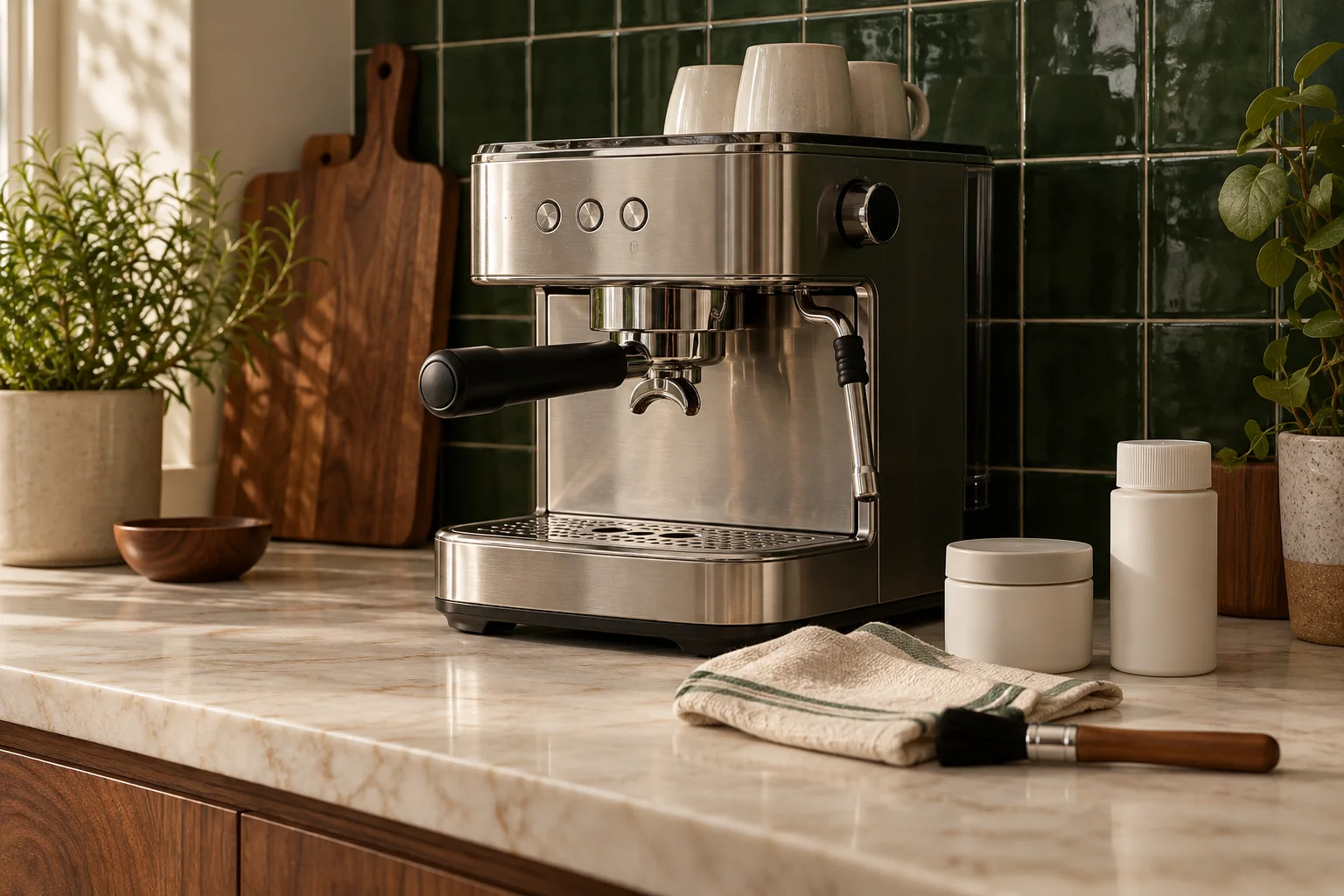
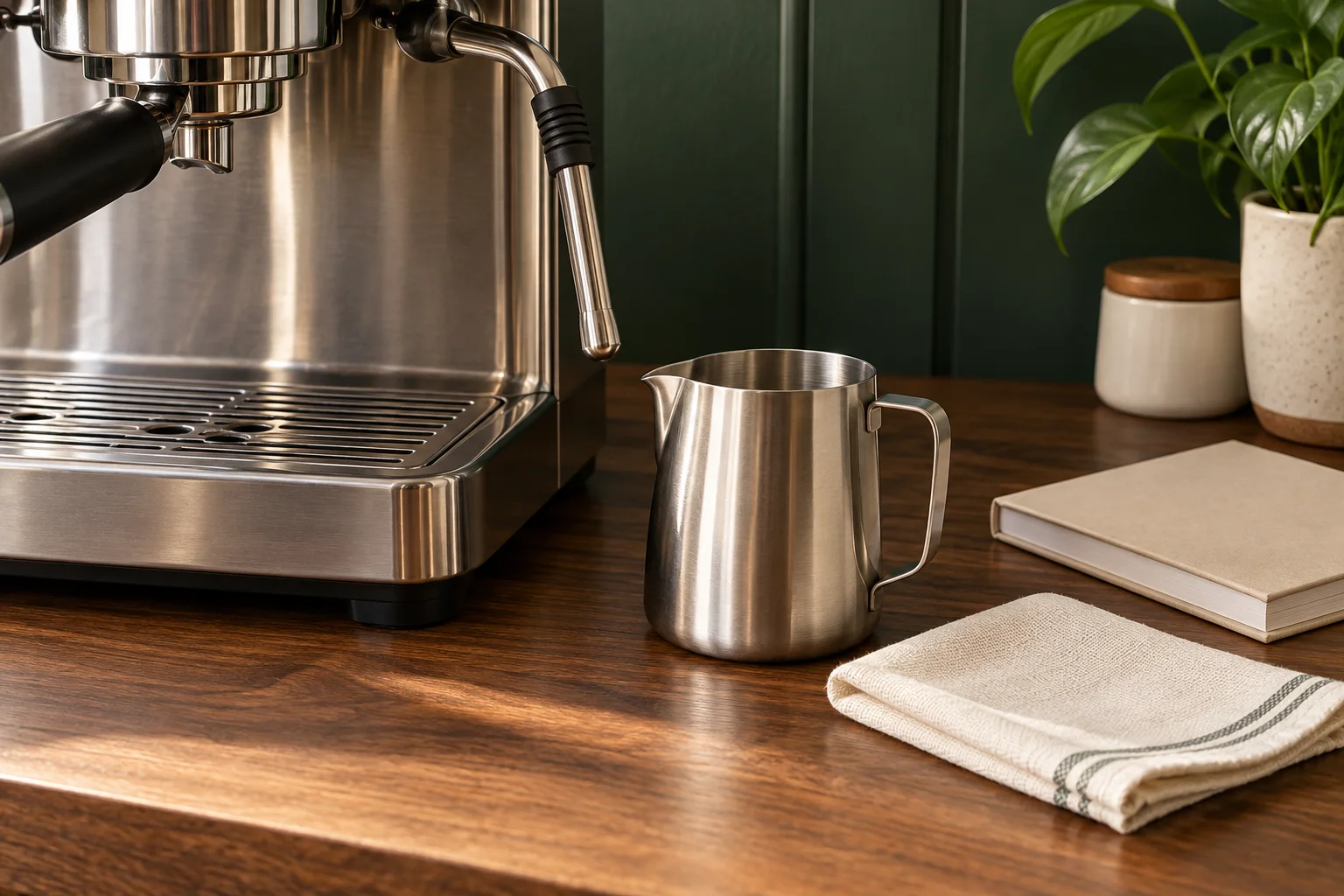
If milk drinks are part of your daily plan, include the care work in the buying comparison. Find the steam-wand section of the exact machine manual before deciding that a control layout looks convenient. Identify what happens immediately after use, what is handled later and which parts the user is permitted to remove. A photograph can show a wand, but it does not explain those instructions.
Breville's manufacturer care guidance describes wiping the wand with a clean damp cloth after texturing milk and purging it according to the specific machine instructions. Keep the model-specific instructions in charge of the operation. This guide is a checklist for evaluating the routine, not a replacement procedure.
Breville manufacturer explanation of cleaning and descaling ?

Check where your hands and equipment need to go
Look at the position of the control, the movement of the wand and the place where the jug rests when you are finished. Ask whether the arrangement is understandable and comfortable in your intended kitchen layout. Keep the operating instructions' cautions about hot surfaces and steam in view. Do not infer a safe handling method from a café photograph or from another person's machine.
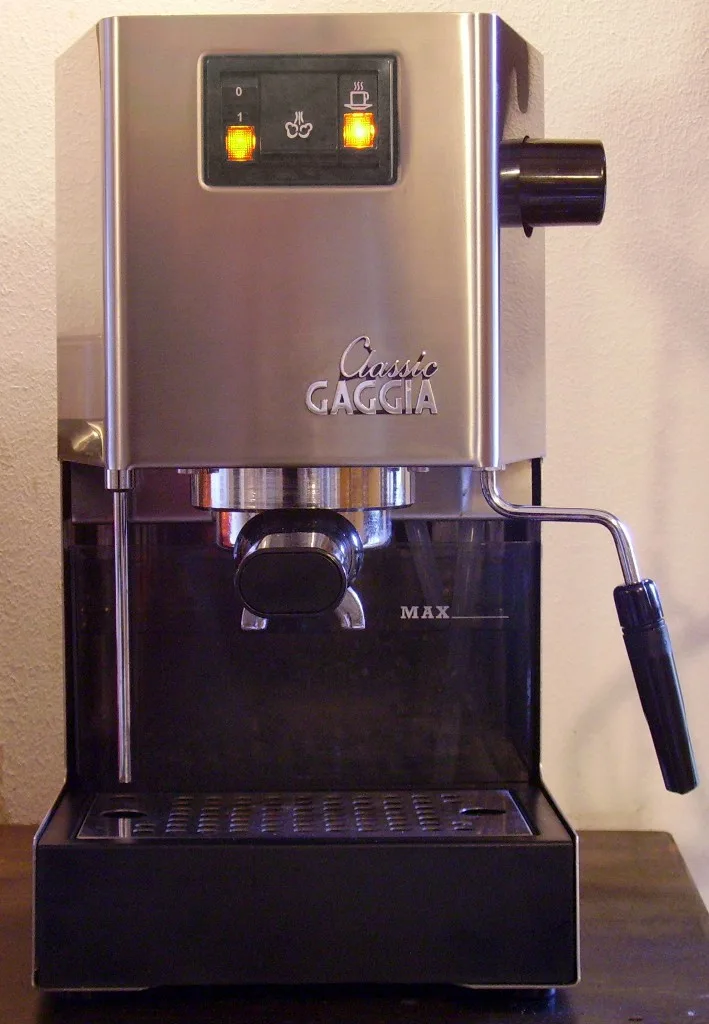
The historical home-machine photograph and café photograph in this article show different settings. They help make the physical objects visible, but neither proves that the same movement, accessory or cleaning method applies to your shortlisted product. Confirm the model before translating any observation into an action.
Identify the supplies rather than buying a generic kit
Copy the recommended care items from the manual and distinguish them from optional accessories. A cloth, brush or specialist product should be used only where the manufacturer allows it. Avoid assuming that an item sold for coffee equipment is suitable for every surface or removable component. Keep the product label and the machine instructions together when checking a purchase.
For a hypothetical supply budget, imagine an approved cloth costing £6 and another permitted care item costing £4. The total would be £10. Those amounts are invented examples, not current prices or a recommendation to use a particular product. The calculation is useful only after you have established which items your machine actually needs.
Separate the wand from the other care tasks
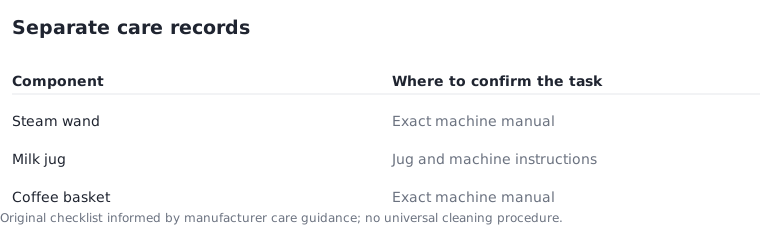
The jug, wand, coffee basket and water system can have different care instructions. Keep them as separate entries so that completing one task does not imply that everything else is done. A simple record might name the component, the manual section, the required action and the date of any periodic work. Everyday actions can be part of the routine without becoming a complicated maintenance spreadsheet.
If you notice damage, an unexpected blockage or behaviour that the instructions do not resolve, use the manufacturer's support route. Do not improvise disassembly or substitute a tool because it appears to fit. Keeping the model information available makes the support question clearer and avoids applying guidance intended for another design.
Compare the routine with the drinks you really make
Write down how often you expect to prepare milk drinks and who will normally handle the equipment. The useful question is whether each person can understand and follow the complete process. A machine may offer appealing drink controls while requiring a care routine that does not suit your household. That is a practical reason to reconsider it before purchase.
Your final shortlist can include a short explanation: the wand controls are accessible, the care instructions are clear and the necessary supplies are identified. Keep unresolved questions beside the model name. This approach gives care the same attention as preparation, without pretending that a specification sheet or a photograph can establish how easy an appliance will be for you to maintain.