A hopper capacity is not a shopping plan
Keep the grinder container, purchased bag and household consumption in separate columns when comparing equipment.
Updated:
Read what the capacity describes
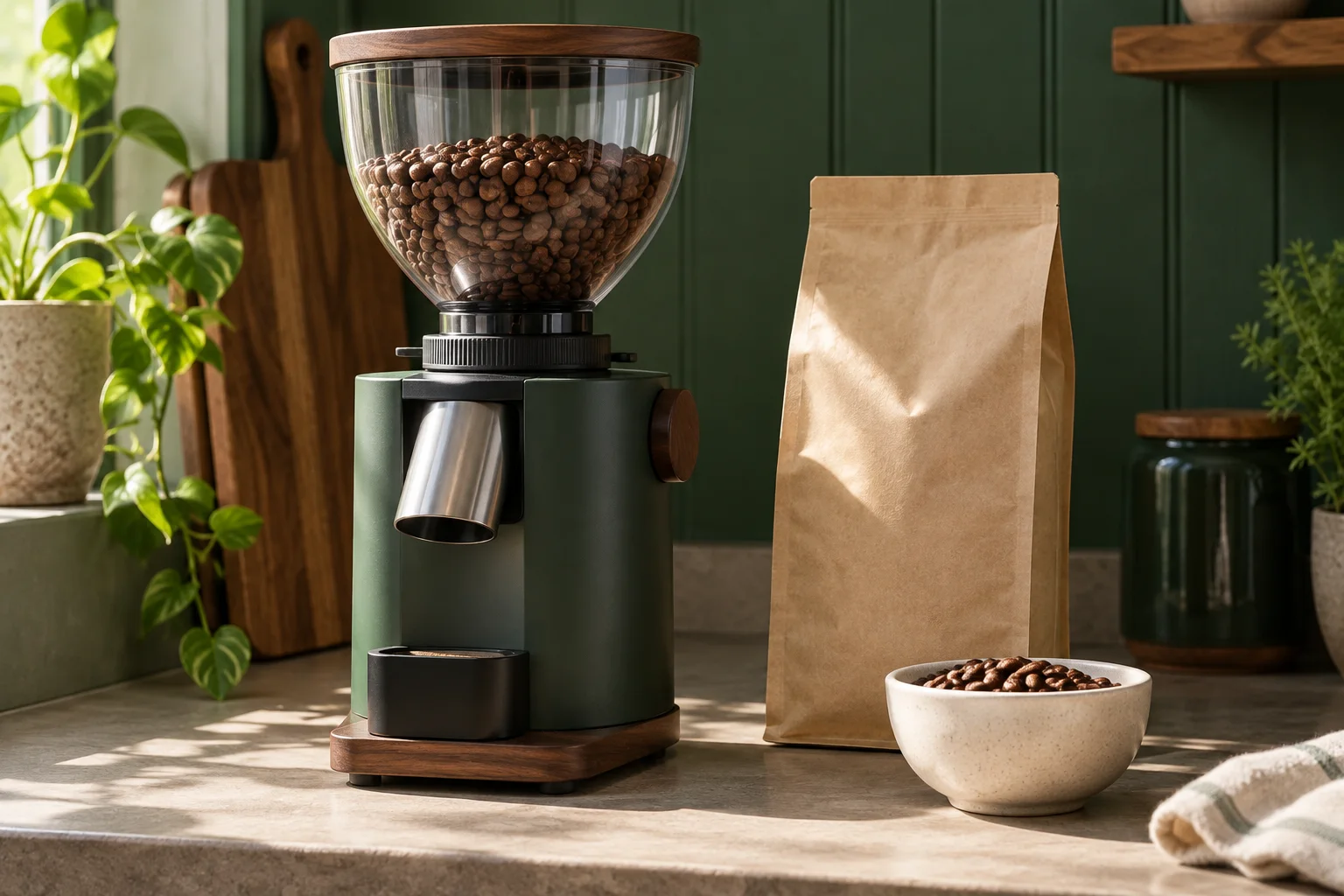
A hopper is the container feeding beans into a grinder. Its stated capacity describes that part of the appliance, not the amount your household needs to buy or the period over which coffee should be stored. Sage's BES875/SES875 manual lists a 250 g bean hopper. That is a model-specific specification. It does not require the user to empty a 250 g retail bag into it at once.
When comparing products, copy the capacity with the exact model and component name. Keep it separate from a water-tank figure or a grounds-container figure. These can appear close together in a feature list, but they answer different questions.
Sage BES875 / SES875 UK instruction manual ?
Calculate your household demand independently
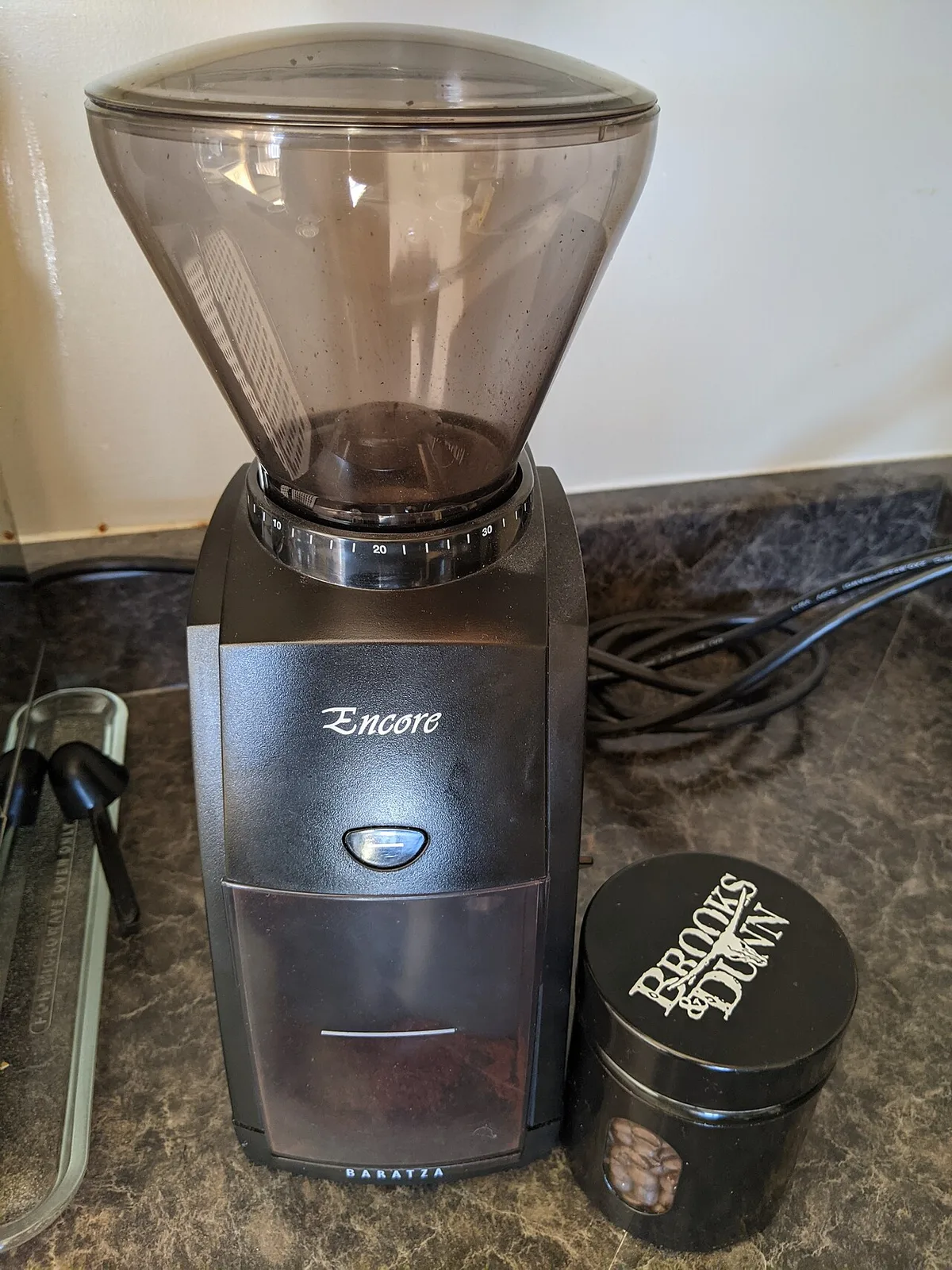
Begin your supply estimate with your own preparations. In a hypothetical routine of two preparations each day using 18 g per preparation, daily bean use is 36 g. Over seven days that becomes 252 g before any allowance for unserved preparations or spills. This calculation says something about the assumed routine; it does not establish a required hopper size.
A household that changes beans frequently may have a different purchasing preference from one that uses a single bag throughout the week. Write down what you actually want to do before comparing container sizes. More capacity is only useful if it supports a routine you want and can follow under the equipment's instructions.
Keep purchased stock and loaded beans distinct
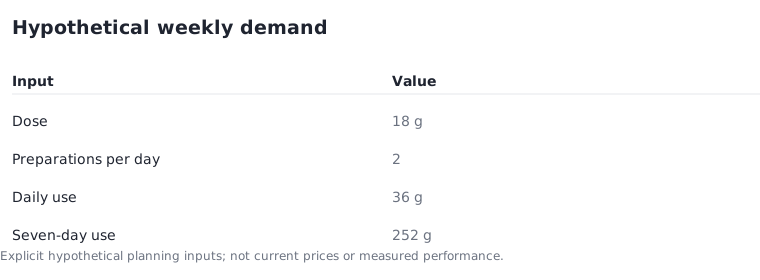
Your stock record can have three entries: beans still in their packaging, beans placed in the hopper and beans already used. This makes it easier to understand why a bag seems to disappear without confusing a refill with consumption. You can make the record as simple as needed; the important point is that moving beans between containers does not itself use them.
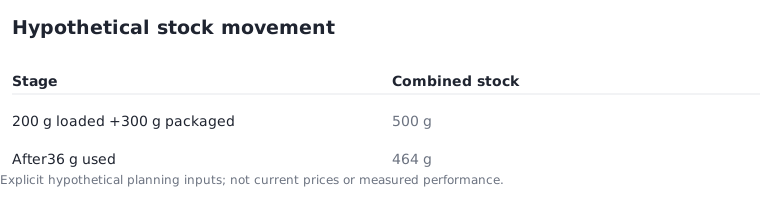
For an illustrative inventory exercise, suppose a 500 g purchase is split into 200 g loaded and 300 g remaining in the package. The total stock is still 500 g at that moment. After 36 g is used, the combined remaining quantity is 464 g, assuming no other losses. Those figures are fictional accounting inputs, not storage instructions.
Consider access and switching beans
Look at the hopper lid, filling route and the manufacturer's procedure for handling remaining beans. If you want to change between coffees, read how the specific grinder is intended to be emptied or adjusted. Do not invent a cleaning or clearing method from a photograph of a different grinder. Keep hands and utensils away from moving mechanisms and follow the actual operating instructions.
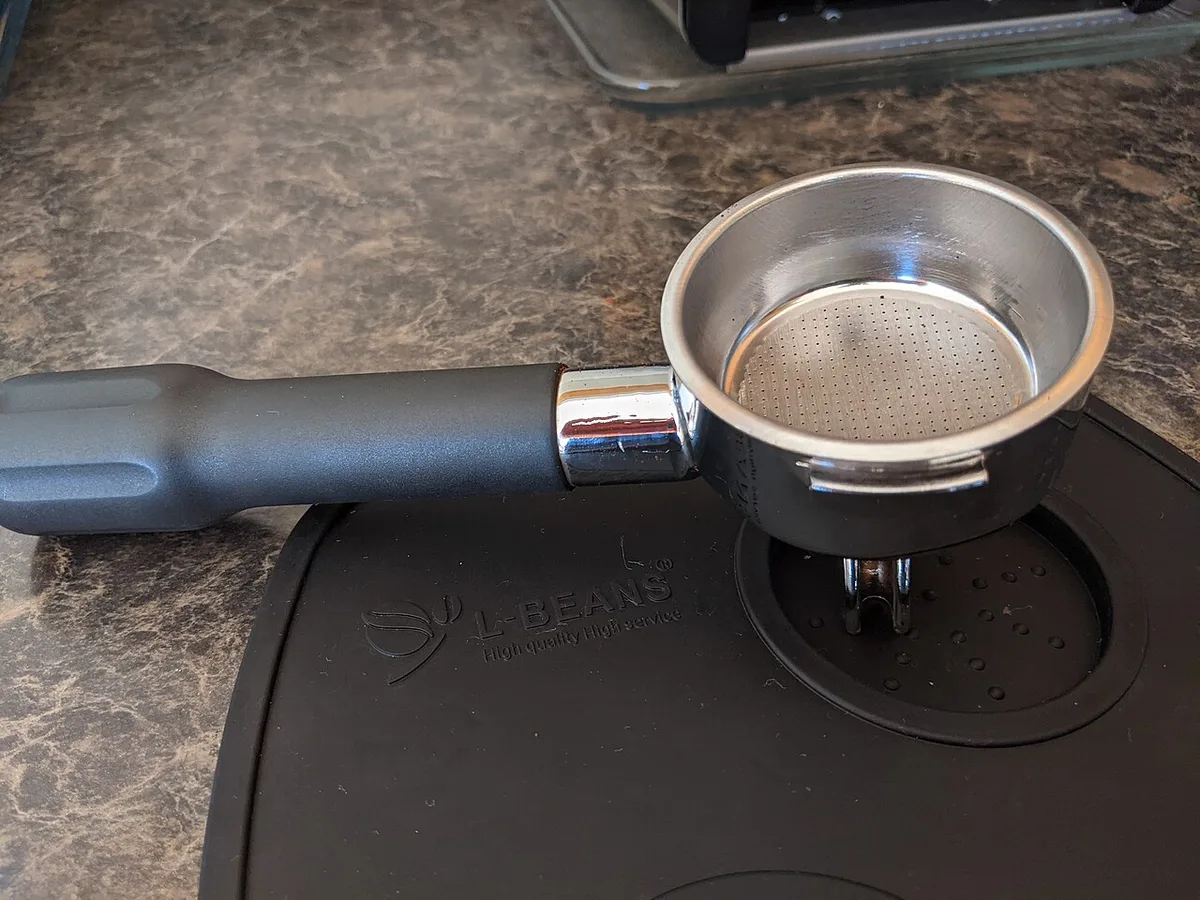
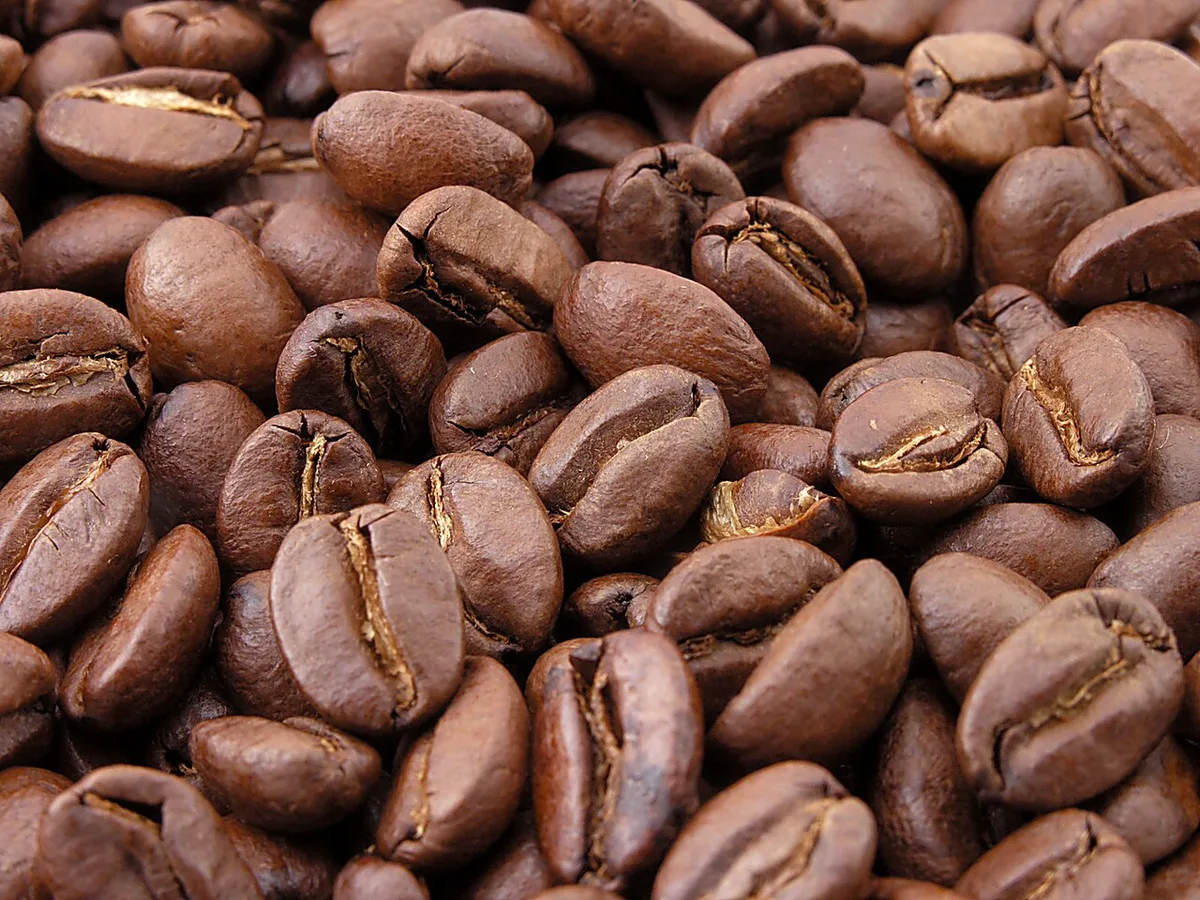
The historical grinder photograph shows a hopper as a physical part of an appliance. It does not prove its capacity, how much coffee remains inside the mechanism or whether a particular switching routine works well. Those are separate questions that require the right documentation or clearly described testing.
Choose a size for a reason you can explain
Write a short comparison with columns for model, stated hopper capacity, filling access, documented bean-switching routine and the purchase pattern you prefer. You may find that access or simplicity matters more than the largest number. If a retailer omits the component name or units, confirm them before using the figure in a comparison.
Keep freshness decisions separate from this inventory calculation. A large container does not establish a recommended storage duration, and an arithmetic supply estimate does not measure flavour. The useful outcome is a clear account of what the equipment holds and what your household uses, with neither quantity pretending to answer the other.