Integrated or separate grinder: compare the whole routine
Compare space, controls, purchase cost and replacement questions without assuming that either arrangement makes better coffee.
Updated:
Begin with what you want to keep
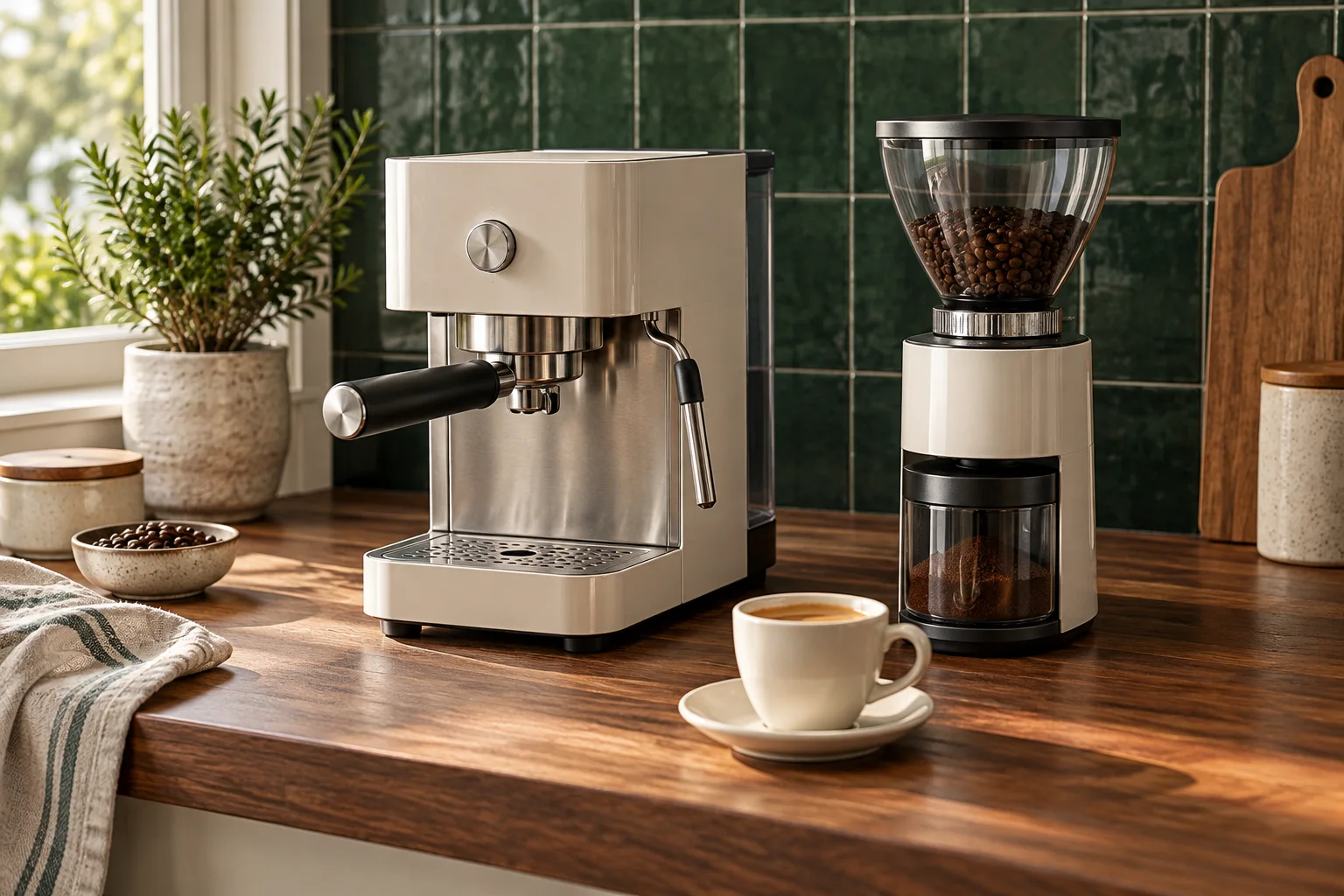
List the equipment you already use and the drinks you actually prepare. If an existing grinder still suits your needs, buying a machine with another grinder may duplicate something you value. If you are starting from nothing, an integrated arrangement may simplify the list of items to research. Neither observation establishes a quality ranking. The useful comparison starts with your household rather than the number of features on a box.
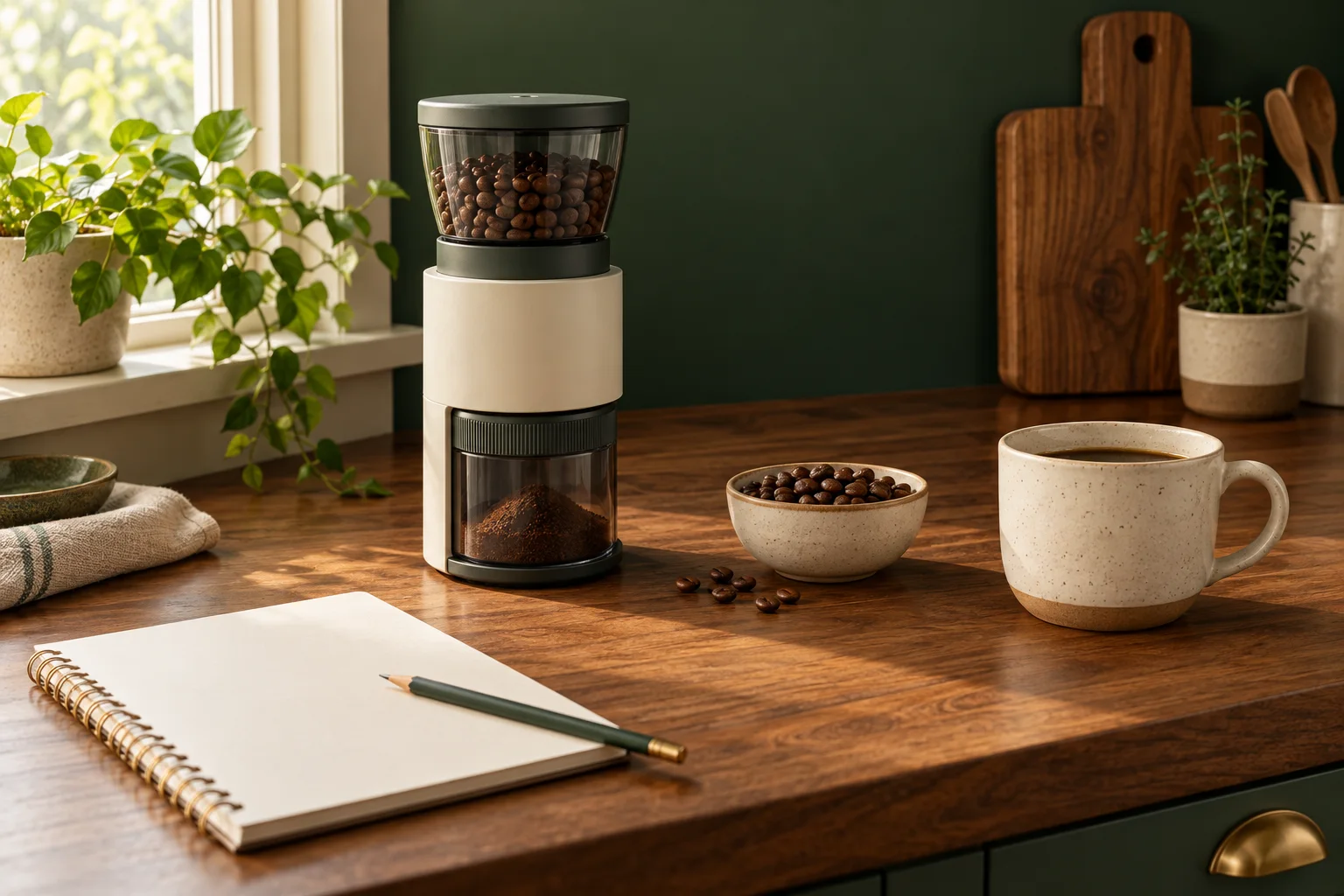
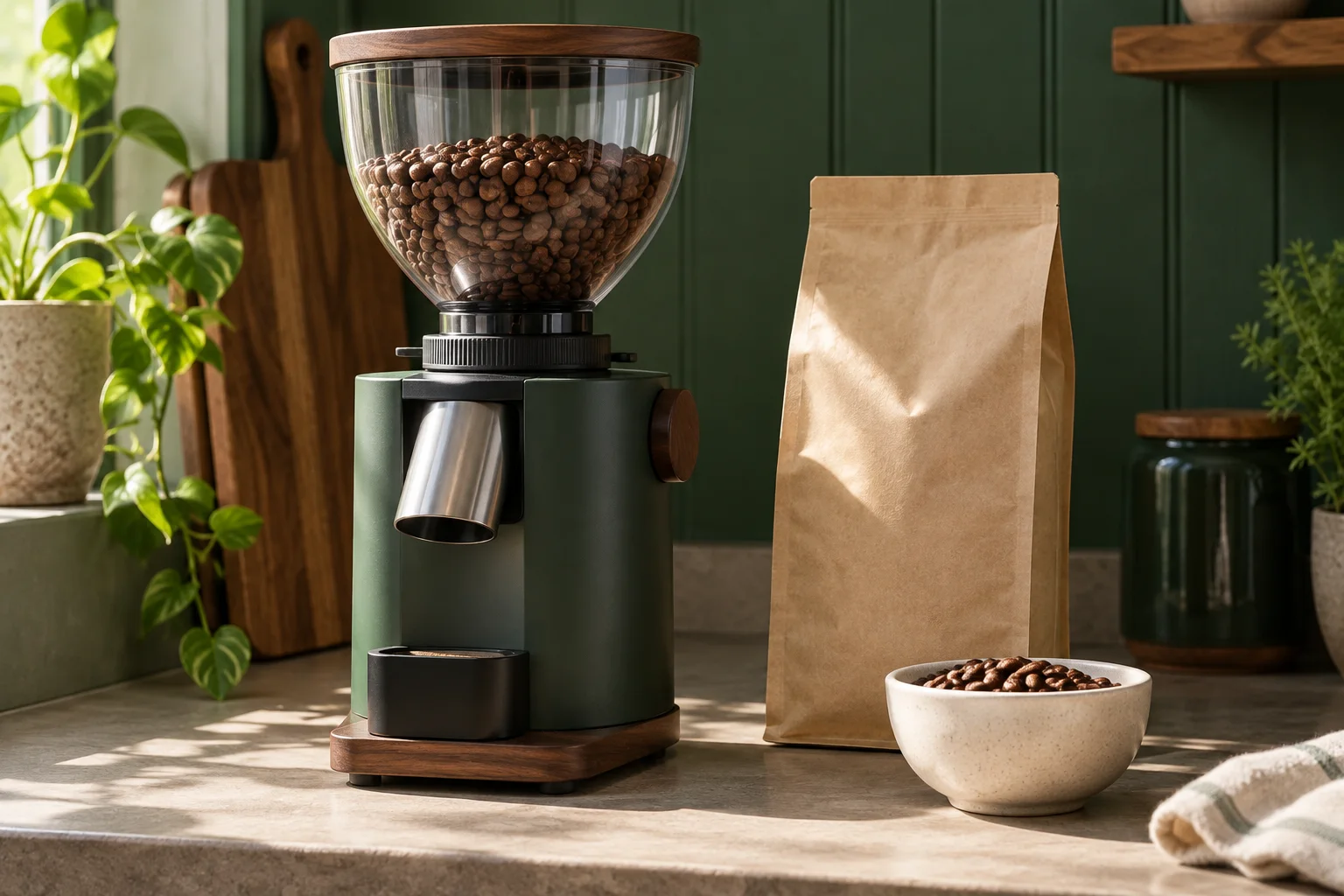
Sage's Barista Express is one model with an integrated grinder, while the Smart Grinder Pro is sold as a separate appliance. These are examples of the two arrangements, not a recommendation to buy either. Compare the exact versions available to you and retain the model identifiers beside your notes.
Sage UK Barista Express product specification ? Sage UK Smart Grinder Pro specifications ?
Draw both complete arrangements
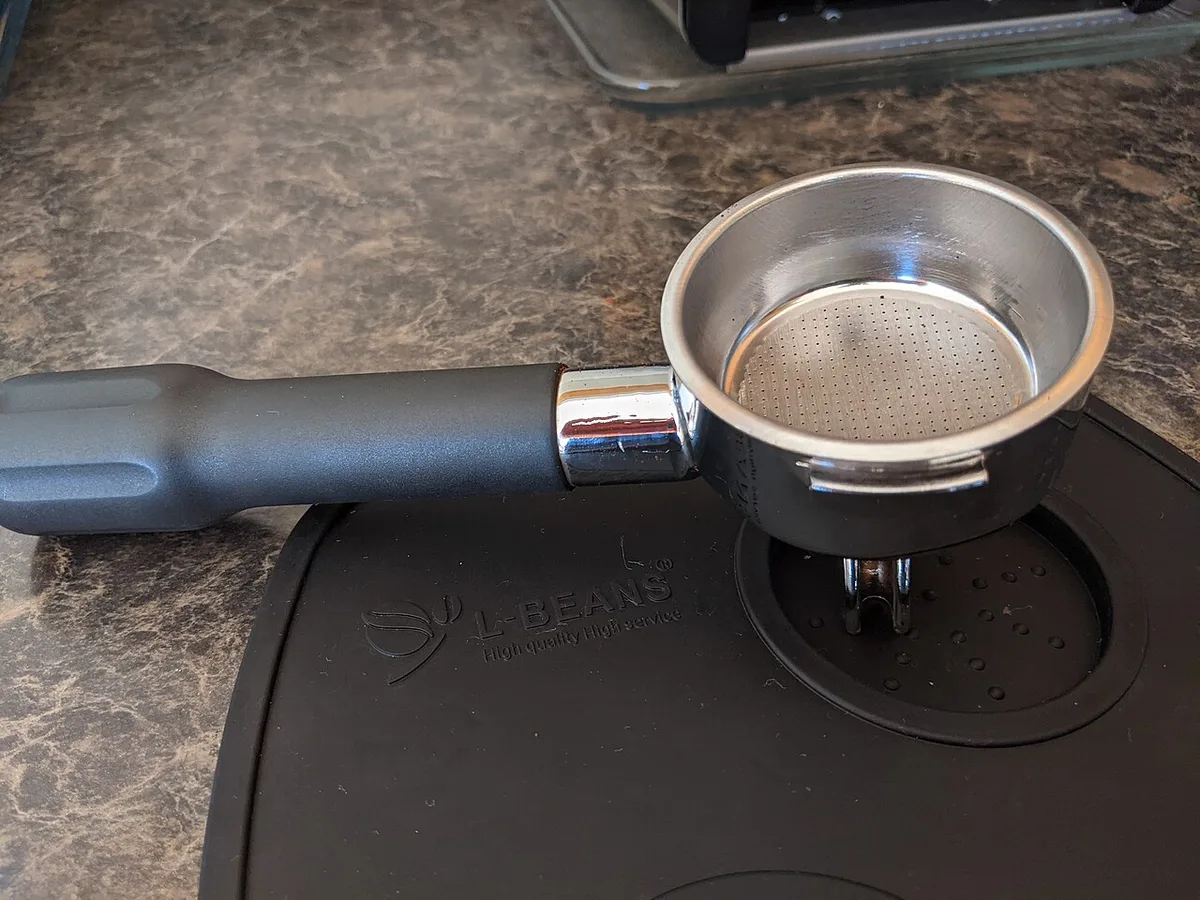
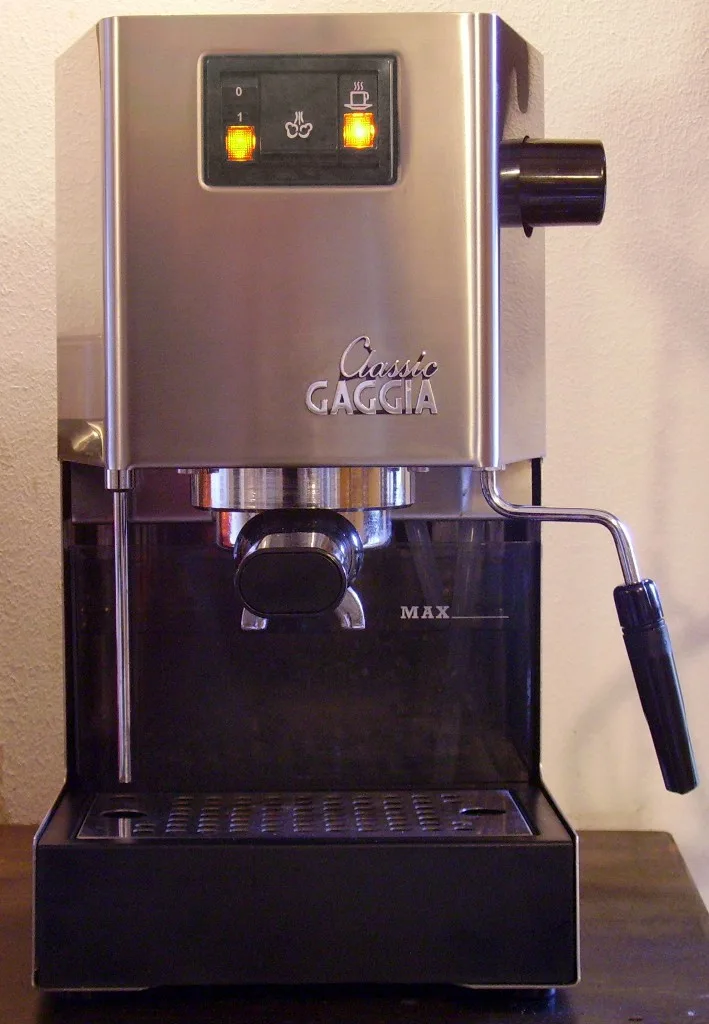
An integrated machine combines functions in one body, but that does not automatically mean it occupies less usable preparation space than every separate combination. Draw each candidate's published dimensions, then add the access questions for beans, water, controls and cleaning. Include the place where you set down the portafilter and the container used to collect grounds.
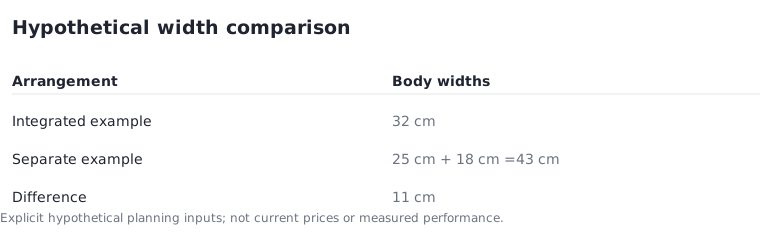
For a hypothetical comparison, imagine an integrated body 32 cm wide and a separate combination with bodies 25 cm and 18 cm wide. The separate body widths total 43 cm, a difference of 11 cm. These invented dimensions illustrate the method only. Spacing and safe operating conditions must come from the actual products, not this subtraction.
Compare controls you will use
Make a short list of the adjustments you expect to make routinely. You might want to change beans, prepare different quantities or use more than one brewing method. Look at the relevant manual pages and identify which controls perform those jobs. A long settings list is less useful than understanding the small set you will actually touch each morning.
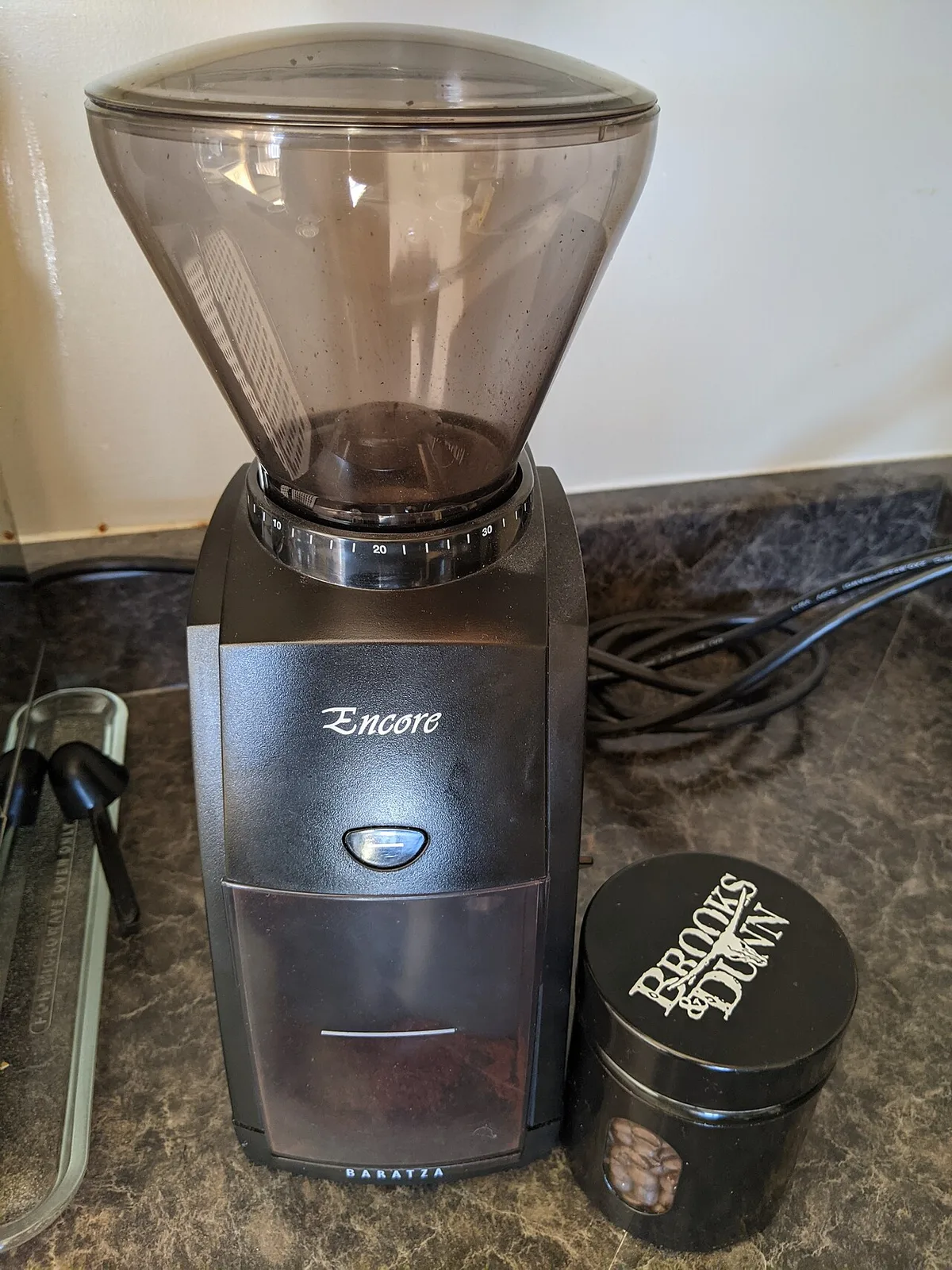
Keep grind size and ground quantity in separate columns. A time setting, a cup label and a measured mass are different descriptions. Ask how you will check the amount delivered for your routine, and whether the chosen container or portafilter fits the manufacturer's stated arrangement. A photograph of a grinder can show its controls but cannot demonstrate dosing accuracy.
Calculate purchase cost with a consistent boundary
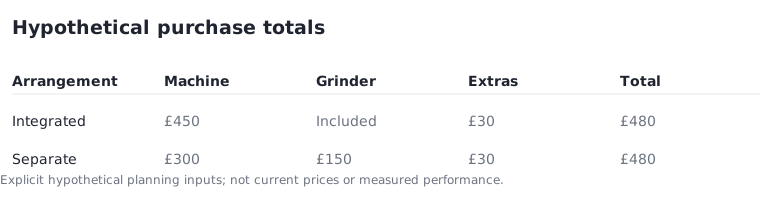
Use current quotes when you are ready to buy, including only the compatible accessories you actually need. As a clearly hypothetical example, an integrated option at £450 plus £30 of extras totals £480. A separate machine at £300, grinder at £150 and £30 of extras also totals £480. Equal totals do not make the products equivalent; they simply prevent the grinder from disappearing from one side of the budget.
Add delivery or other known charges consistently. Keep optional items separate so that a basket of attractive extras does not quietly become a requirement. Do not assign a future resale value or assume a repair price without evidence.
Ask about replacement before deciding
Think through what you would do if your preferences changed or one function needed attention. A separate appliance can be considered independently in your purchasing plan, while an integrated product has its own service arrangements. Ask the manufacturer or seller about the exact model rather than assuming that one configuration is always cheaper to maintain. Keep any confirmed answer and date with the shortlist.
The final decision can be expressed in ordinary terms: this arrangement fits the space, supports the routine and has a total purchase cost you understand. Use the comparison to remove unsuitable choices. Taste, reliability and ease of use require evidence beyond a specification sheet, and this planning exercise does not pretend to have tested them.